REVIEW · QUEENSTOWN
Bike The Wineries (Full-Day) – Bike & Wine Tour
Book on Viator →Operated by Around The Basin Bike Queenstown · Bookable on Viator
Pedal and pour your way through Gibbston Valley. What makes this day plan work is that it’s self-guided but still feels put together: you get the gear, the shuttle, and a route map so you can ride your own pace between wineries and food stops. Gibbston Valley is the big payoff, with an easy rhythm of riding, stopping at cellar doors, and taking in the views without needing to book time slots.
I especially like two things. First, the setup is straightforward: bicycle or e-bike plus helmet, then you’re dropped at the start and met again at the finish. Second, the winery lineup is varied enough that you’re not stuck doing the same thing eight times.
One catch to keep in mind: you’re truly on your own on the route. There’s phone help if you need navigation or a bike fix, but there’s no guide riding alongside you, so trail signage and turns can be a little “figure-it-out” in places. If you’re not comfortable biking for hours, or you want a tightly guided tasting schedule, this may feel less controlled than you’d like.
In This Review
- Key points before you pedal
- A self-guided wine day with real support
- From 3 Searle Lane: shuttle, bikes, and the no-surprises setup
- Arrowtown and the Kawarau area: the ride’s first wow moments
- Gibbston Valley on the Gibbston River Trail: how to pace 7.5 hours
- Your practical stop list: tavern to winery to the Church Cellar Door
- At the far end of the valley: Waitiri Creek and Brennan Wines
- Bikes, hills, and trail surface: what to expect for comfort
- Price and value: what $68.26 includes and what you’ll pay for
- Who should book and who should skip it
- Should you book Bike The Wineries (Full-Day)?
- FAQ
- What’s included in the Bike The Wineries full-day tour?
- Is this a guided tour while you bike?
- How long is the experience?
- Where do you start and where do you end?
- Do I need moderate fitness?
- Are e-bikes available?
- What’s the cancellation policy?
Key points before you pedal
- Shuttle in, shuttle out: you ride the wine trail without handling the whole logistics puzzle
- Bike + helmet provided: no hunting for rentals or second-guessing gear quality
- Phone support while you ride: help is available for mechanical trouble or navigation
- Pick your pace: the van meet-up lets you choose how far you ride and how long you linger
- Wine stops without a rigid plan: cellar doors, a tavern, and a relocated church cafe spread the day out
- Good for moderate fitness with e-bikes: steep sections can be manageable with motor assist
A self-guided wine day with real support
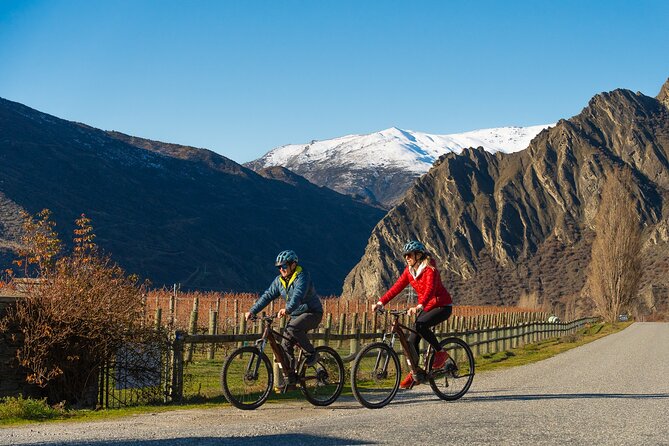
This is the kind of tour I like for Queenstown: structured enough to remove friction, flexible enough to feel like your day. You start with a shuttle from Queenstown, then spend the bulk of the time biking the Gibbston Valley route on your schedule. That matters, because wine days work best when you’re not rushing from one “check-box” stop to the next.
The big advantage is that you’re not paying for a guide’s seat the whole time. Instead, you’re paying for the practical pieces that make biking the wine trail possible: bicycle use, helmet use, and transport to and from the trail ends. You also get support by phone during your ride if something goes wrong (navigation confusion or a mechanical issue).
Just know what you’re not getting. There isn’t a guide accompanying you as you bike. So you’ll want to pay attention to the map and briefing you receive at the start, and you’ll want to keep your phone available in case you need help. If you prefer constant hand-holding, choose a fully guided option.
You can also read our reviews of more cycling tours in Queenstown
From 3 Searle Lane: shuttle, bikes, and the no-surprises setup
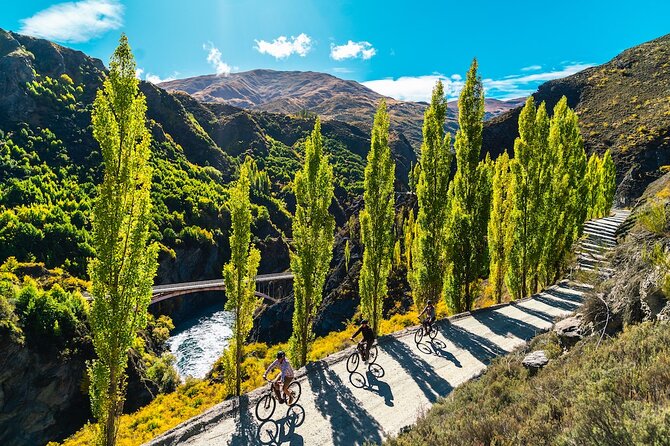
Your day begins back in Queenstown at 3 Searle Lane. From there, you’ll be set up with your bicycle or e-bike and a helmet, then shuttle to the starting area. The tour is designed so you can choose your distance: you don’t have to ride the full stretch if you’d rather save energy for tastings or food.
The operator also builds in a realistic safety approach. People have called out the quality of the safety briefing led by Steve, which is a good sign because you’ll be cycling in a mix of trail paths and occasional road crossings. You’ll also get a full briefing and a route map before you start—plus a contact number if you need navigation help.
One more thing that’s worth your attention: the tour doesn’t offer unscheduled pick-ups along the route. If you miss your finish collection, you may need to arrange your own return from where you end up. That’s why I’d treat the meet-up points and timing as important, even though the ride itself is flexible.
Arrowtown and the Kawarau area: the ride’s first wow moments
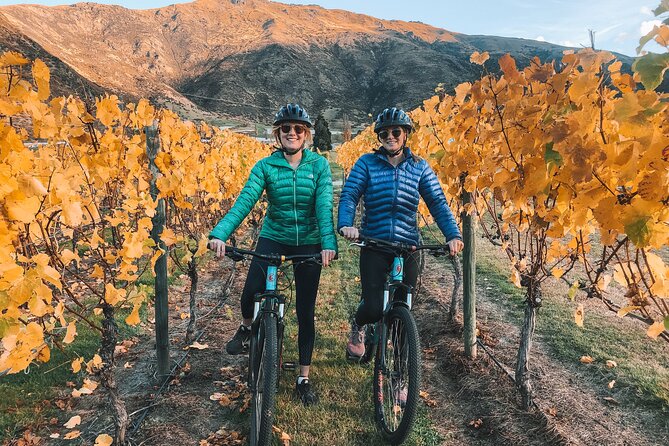
The first stop is Arrowtown Village, a great place to start because it already feels like a proper day out. You’ll have time to explore Arrowtown before the pedal section really takes over. If you’re into coffee, one smart move is to grab a caffeine hit first; Wolf in Arrowtown has been singled out as a favorite.
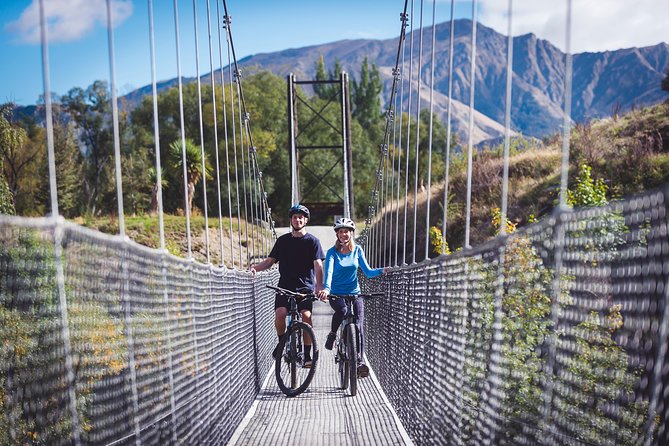
Once you’re ready, the route follows the Arrow River Bridges Trail. It’s willow-lined and bridge-crossing, which is a nice change from long, straight stretches. This is also where you warm up your legs without immediately turning the ride into a grind.
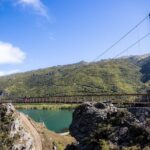
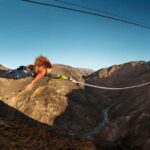
Then you roll over the Kawarau Suspension Bridge, famous as the home of the world’s first commercial bungy jump. You don’t have to be a bungy person to appreciate the place—you just get a strong sense of what Queenstown is known for, while you’re moving through the valley air on a bike.
If you arrive hungry or underdressed, this is where you can adjust your day. You can’t fix weather once you’re out pedaling, so bring layers and get ready for cool moments, especially if the sun drops behind hills.
Gibbston Valley on the Gibbston River Trail: how to pace 7.5 hours
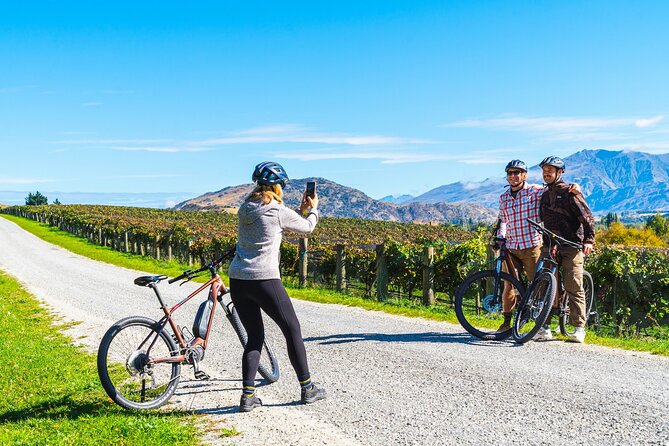
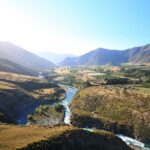
After Arrowtown, the day shifts into its main rhythm: ride the Gibbston River Trail and then stop at wineries, breweries, and taverns along the way. The route is built for self-guided pacing, which is exactly why it works. You can linger if the view and the pour are good, and you can move on quickly if you’re done.
A key detail for planning your pace: the full day is about 7 hours 30 minutes. That’s long enough that the order of stops matters. If you try to do everything at every cellar door, you can run out of time and end up biking faster than you meant to. I’d set a goal like two wineries plus one food stop, then leave wiggle room for “bonus stops” if you still feel good.
The trail experience is mostly calm: one rider described it as largely away from car traffic, with only a few crossings. Still, don’t expect a perfectly smooth ride the whole way. Other comments point to gravel or rougher sections, so your tires (and your posture) matter. Helmets are provided, but you also want to ride like you’re sharing the route with the world.
Navigation is another practical piece. Some people have reported signage that wasn’t totally clear in parts of the route, including a missing winery change (Rockburn Winery moved and wasn’t reflected in signage/maps for that rider). This is where the phone support becomes your safety net. If you get unsure about a turn, stop, check your map, and use the support number rather than guessing.
Finally, consider winery opening hours. One rider booked during Good Friday and found wineries weren’t open as usual, ending up at a tavern for lunch instead. You can still have a great day on the trail, but on major holidays it’s smart to expect variation and plan for backup food spots.
Your practical stop list: tavern to winery to the Church Cellar Door
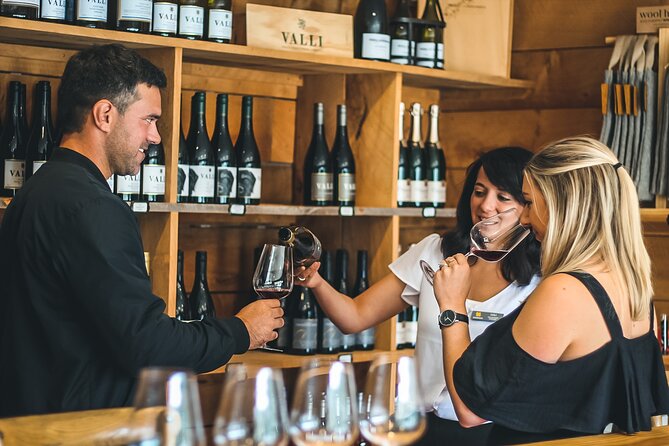
There are eight named stops across the day, and they’re placed so you get variety without needing a car. Here’s how I’d think about each one.
Gibbston (cellar doors and food producers)
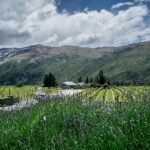
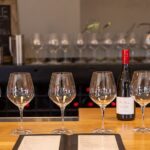
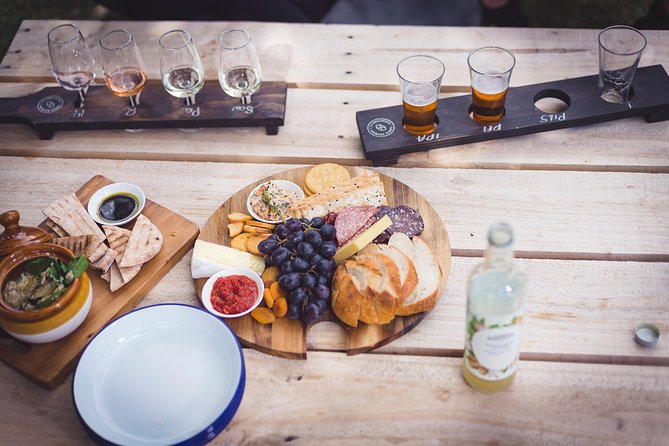
This is where you start making choices. You can visit as many cellar doors, breweries, or taverns as you like. Translation: you control the tasting intensity. If you want to keep things fun, not fuzzy, it’s better to pick fewer places and slow down at them.
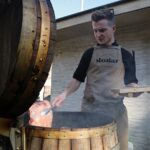
Gibbston Tavern (wood-fired pizza + pub food)
This is a strong mid-ride option because biking burns energy and wine tastes better with food. The tavern is described as serving wood-fired pizza and pub-style meals, and yes, it pairs with wine and beer. If you’re trying to pace alcohol across the day, this kind of food stop helps you stay comfortable.
Gibbston Valley Winery (cellar door or wine cave tour)
Here you’re offered a choice: a straightforward cellar door visit or a tour of the largest wine cave in New Zealand. If you want something besides tasting, the cave tour gives you structure and a break from sitting outside. It’s also a good option if the weather turns—still with the wine theme, just indoors.
Mt Rosa Wines (at the end of the valley effort pays off)
Mt Rosa is described as having a lot of personality and being worth the effort to reach. Put this on your “when we get there, we’ll decide” list, but I wouldn’t treat it as optional if you like memorable winery stops.
The Church Cellar Door and Cafe (1894 church moved to Gibbston)
This one is fun because the building tells a story. The church was built in Wangaloa in 1894 and relocated to Gibbston in the early 2000s. Now it’s a cellar door and cafe, so it’s the perfect stop for a slow vibe—wine and a change of scenery from the more standard tasting rooms.
If you’re building your own mini-itinerary, I’d think of this section as: one solid food stop (tavern), one “big winery” stop (Gibbston Valley Winery), and one atmosphere stop (the church). That trio covers the mood of the day.
You can also read our reviews of more wine tours in Queenstown

At the far end of the valley: Waitiri Creek and Brennan Wines
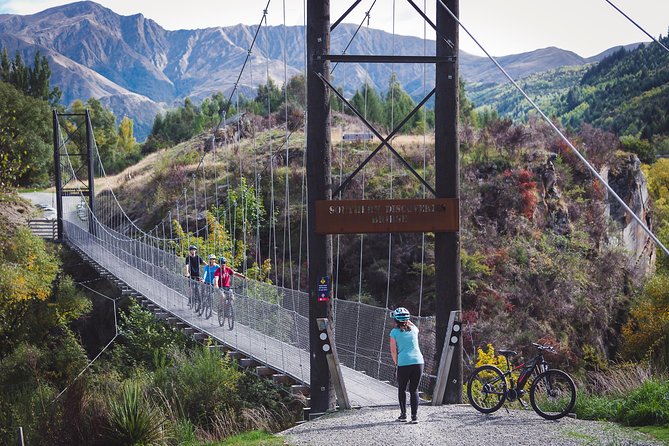
Once you move toward the far end of the Gibbston River Trail, the day shifts again. These later stops are about relaxing and finishing strong, not checking boxes.
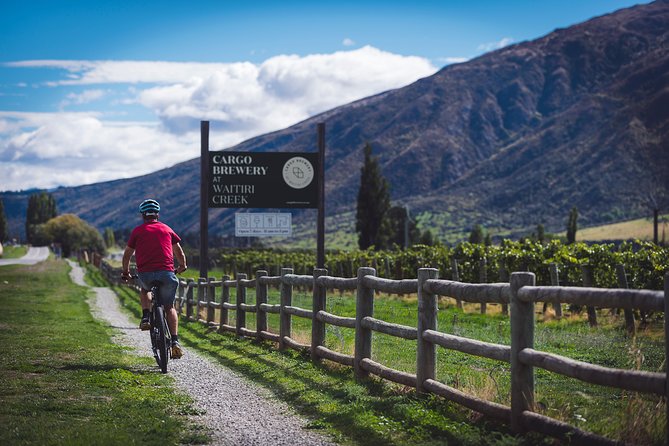
Waitiri Creek Wines
It’s described as a lovely place to relax at the far end of the valley. This is a good choice if you’d rather settle in with a view and take your time with a final round.
Brennan Wines
Also at the far end of the trail, Brennan is described as quieter and a quality spot for wine. If you’ve been riding hard or tasting steadily earlier, this can be your “slow down and enjoy” moment.
A practical tip here: by the final stretch, you’ll likely be balancing two things—energy and decision fatigue. If you’re tired, it’s better to do one final tasting you genuinely want than to try to squeeze in extra stops just because they’re there. The ride gives you flexibility, so use it.
Bikes, hills, and trail surface: what to expect for comfort
This tour is listed as requiring moderate physical fitness. That doesn’t mean it’s for trained cyclists, but it does mean you should be prepared to work a bit. Some riders note steep inclines and hairpin turns, and the trail can be rougher in places with gravel.
If you go with a regular bike, you’ll want to approach it like a workout with rewards. One rider described the regular bike route as a tough workout, especially compared with e-bikes. If you’re moderately fit and enjoy cycling, it can be totally manageable. If you’re expecting a flat, leisurely roll, it won’t match that expectation.
The good news: e-bikes are a great equalizer here. Multiple riders specifically recommended e-bikes because they made the day more enjoyable and less strenuous on hills. The trail still feels like a bike day, but you’re not paying for each incline with total exhaustion.
Also plan for temperature. One comment called out needing warmth and dressing warmly, even though the day was scenic. Queenstown weather can change, and a bike ride makes you feel it fast.
On comfort, you can also plan around facilities. One rider noted there are toilets along the route, which is helpful when you’re spacing out stops.
Price and value: what $68.26 includes and what you’ll pay for
At $68.26 per person, you’re paying for access to the ride itself, not a wine package. What’s included is the big cost saver: bicycle use, helmet use, shuttle transport to the start and from the finish, plus phone support for navigation or mechanical issues.
What’s not included is also important: food and drinks and wine tastings. The stops you pass have food and wine options, but you’ll pay those costs yourself. That’s actually a benefit if you like choice—dining and tasting can be tailored to your budget and your appetite.
So is it good value? In my view, it is if:
- you want a structured route without paying for a full guided service
- you’d otherwise have to arrange a bike rental and handle your own transport to and from the trail ends
- you’re okay treating wine as part of the day rather than a bundled tasting tour
Also, group size is capped at a maximum of 8 people per booking (and a maximum of 22 travelers for the overall experience). Smaller groups usually mean easier logistics and less crowding at key handoff points.
If you’re the type who wants the day to run on rails, this self-guided style might feel less structured than a classic wine tour. If you’re happy to ride, choose stops, and use phone support if you need it, it can be a smart spend.
Who should book and who should skip it
I think this tour fits best if you want the combination of cycling and wine without the pressure of a formal group schedule. It’s also a good match for people who like having options: tavern lunch if you need food, cave tours if you want variety, and the church cafe if you want a calm, unique setting.
You might skip it if:
- you want a guide riding alongside you to manage timing and directions
- you dislike long days of moderate effort (the full ride is around 7.5 hours)
- you’re uncomfortable with uncertainty about signage or occasional navigation quirks
- you strongly prefer pre-booked tastings with guaranteed open doors at every stop
One more note: the minimum drinking age is 18, and it’s recommended to bring ID. Even if you’re pacing alcohol carefully, having your ID handy keeps the day smooth.
Should you book Bike The Wineries (Full-Day)?
Yes, I’d book it if you’re excited by the idea of biking the Gibbston Valley wine corridor and you want flexibility more than babysitting. The mix of Arrowtown start, the Kawarau Suspension Bridge moment, and the later calm stops like Waitiri Creek and Brennan Wines creates a satisfying arc to the day. Add in e-bikes for hills, and you get a win-win: exercise plus good food/wine options without the stress of driving.
But if you hate self-navigation, or you expect every winery to be open regardless of holidays, choose a more guided option. This one rewards planning, pacing, and a willingness to use the phone support if you get turned around.
If you want my quick decision rule: pick this when your idea of a perfect day is pedal time, then tasteful stops—done your way.
FAQ
What’s included in the Bike The Wineries full-day tour?
It includes use of a bicycle, use of a helmet, shuttle transport to the start and from the finish, and phone support during your ride for bike mechanical or navigation help.
Is this a guided tour while you bike?
No. This is self-guided, so a guide does not accompany you while you ride.
How long is the experience?
It’s approximately 7 hours 30 minutes.
Where do you start and where do you end?
The tour starts at 3 Searle Lane, Queenstown 9300, and it ends back at the meeting point.
Do I need moderate fitness?
Yes. The experience is recommended for people with a moderate physical fitness level.
Are e-bikes available?
The tour offers bike or e-bike options, and e-bikes are commonly used for this route.
What’s the cancellation policy?
Free cancellation is available up to 24 hours in advance for a full refund. The experience can also be canceled for poor weather, with an offered alternative date or a full refund.