REVIEW · QUEENSTOWN
Queenstown: Self-Guided Gibbston Valley Wineries Bike Tour
Book on GetYourGuide →Operated by Around The Basin Bike Queenstown · Bookable on GetYourGuide
Wine trails meet river bridges on two wheels. This self-guided Gibbston Valley bike day pairs Queenstown pickup with bikes (including electric assist) so you can choose your own wineries along a mostly smooth riverside route.
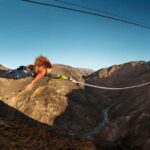
I like that it’s structured enough to feel effortless: you get fitted, you get a navigation briefing, and you roll out with a winery map instead of guessing. I also love the sense of place—Arrow and Kawarau river scenery, suspension bridges, and the Kawarau Bridge area, famous for the world-famous bungy jump.
One drawback to plan for: the ride can feel more challenging than you expect, with some gravel and narrow, drop-off areas. If you’re not a confident rider, you may want an e-bike or consider skipping this one.
In This Review
- Key things to know before you pedal
- How the Queenstown-to-Gibbston bike plan really works
- Arrow and Kawarau rivers, suspension bridges, and the Kawarau Bungy Bridge
- Choosing wineries at your own pace along the Gibbston River Trail
- A few winery stops people like to time well
- Electric bike vs standard: where the hills and gravel show up
- Distance and timing: how much riding you actually get
- Price and logistics: what $56 includes and what you’ll spend on the ground
- Practical gear that makes the ride feel easy
- Who this tour suits best in Queenstown
- Should you book this self-guided Gibbston Valley bike tour?
- FAQ
- What’s included in the price?
- Is wine tasting included?
- Do you include food during the ride?
- Where do I check in before the shuttle departs?
- What time is pickup back to Queenstown?
- How long is the tour?
- Where do the different options start?
- How far is the ride to the first winery?
- Is this tour suitable for everyone?
Key things to know before you pedal
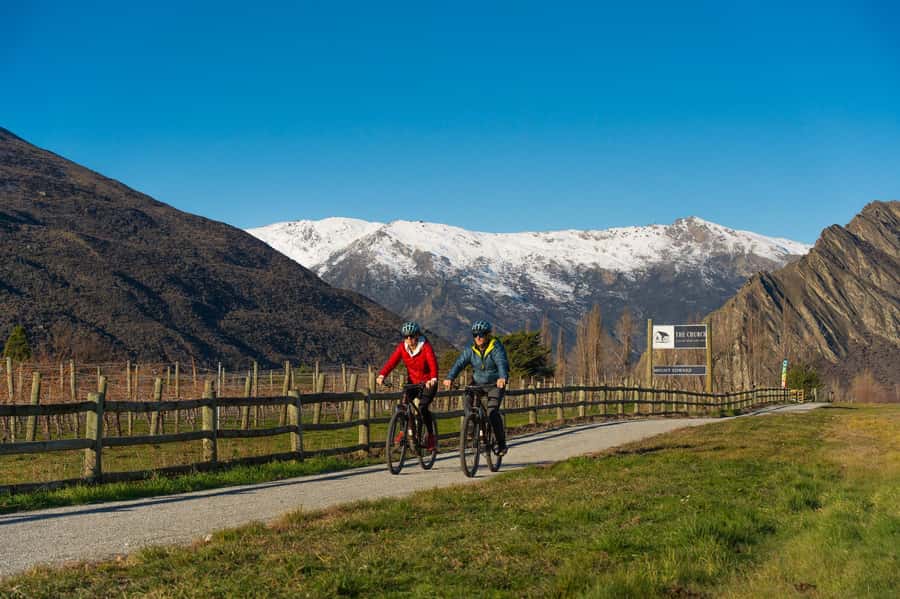
- You choose your wineries: the map links stops, and you can spend as much (or as little) time at each cellar door.
- Route stars include the river crossings: suspension bridges and the Kawarau Bridge area sit right on the path.
- E-bikes make a big difference on hills: people recommend the electric assist for comfort and control.
- Short options still include a real ride time: on the half/3-4 day routes, you cycle about 6 km to the first winery and up to 16 km total.
- You’ll return to Queenstown by scheduled shuttle: pickup timing is fixed for all options (4:30 pm summer, 4:00 pm winter).
How the Queenstown-to-Gibbston bike plan really works
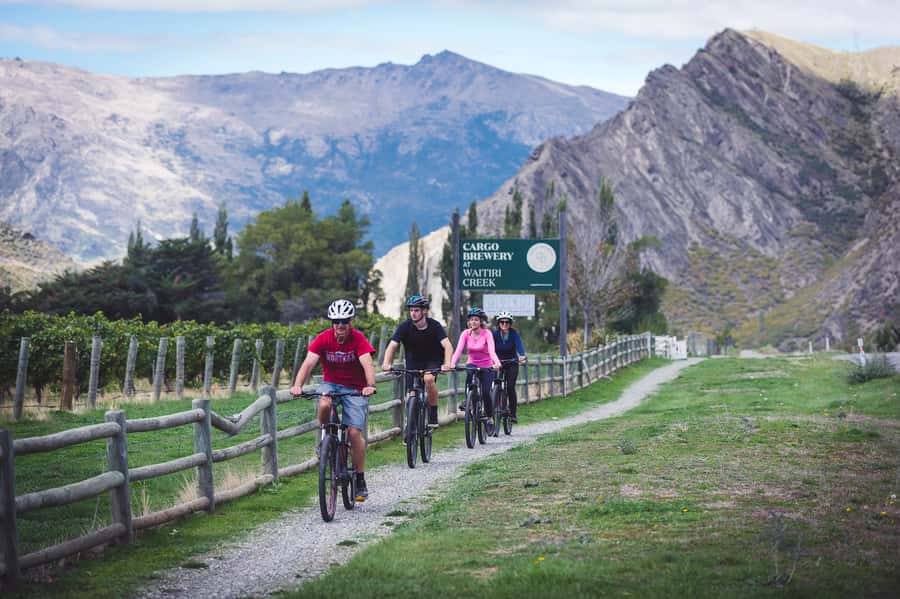
This tour runs as a self-guided ride with transportation baked in. You start with a scheduled bus departure from Queenstown to the trail start point (Arrowtown for the Full-Day option, Arrow Junction for the 3/4 Day and Half-Day options).
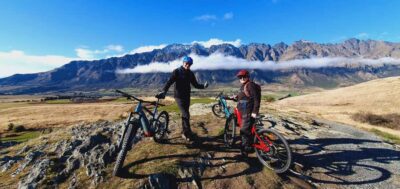
Next, you check in at Around The Basin’s shop in Queenstown (3 Searle Lane), then the team fits you with a mountain bike or electric bike and gives you a safety and navigation briefing. You’ll also receive a winery map, which is what turns a scenic ride into a true wine-day route with options.
To finish, you get collected at the end point and time listed in your briefing. The shuttle back to Queenstown uses the same pickup timing for everyone: 4:30 pm in summer (01 Sept to 30 Apr) and 4:00 pm in winter (01 May to 31 Aug).
You can also read our reviews of more cycling tours in Queenstown
Arrow and Kawarau rivers, suspension bridges, and the Kawarau Bungy Bridge
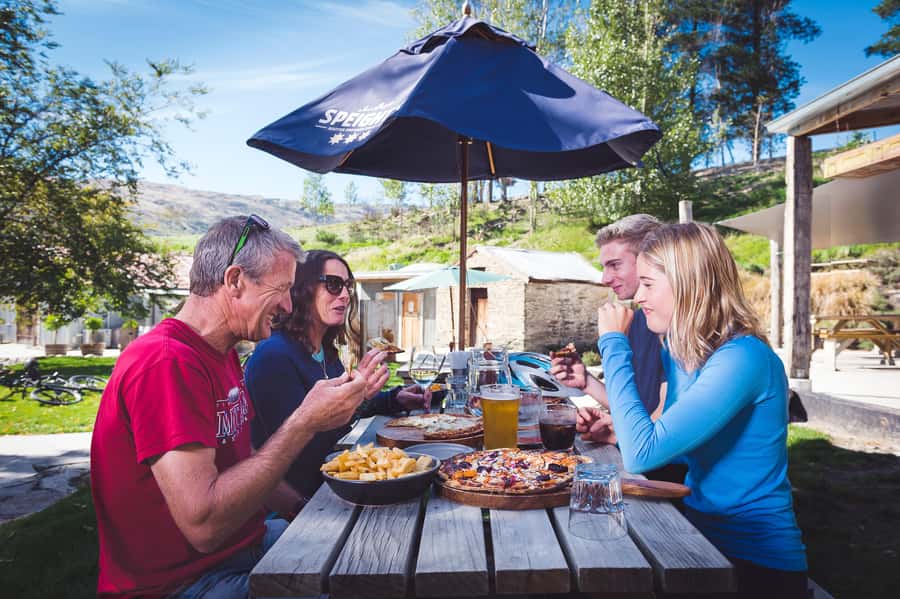
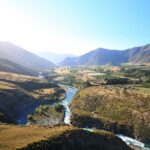
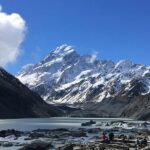
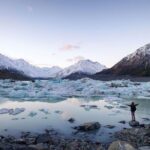
The ride’s first big draw is how quickly you’re out of the car-and-sidewalk world. The trail follows the Arrow and Kawarau rivers, meaning constant views of water, open skies, and that South Island “alpine air” feel.
You’ll cross suspension bridges on the way, which is part sightseeing and part thrill. Then you reach the Kawarau Bridge area, home to New Zealand’s most famous bungy location, so you’ll pass through a true adrenaline landmark even if you’re only doing the safer thrill of pedaling.
Once you’ve crossed that zone, the rest of the day becomes more about your pace and your stops. Some riders describe the first stretch as manageable but still active, so it’s smart to take the early part easy and save your energy for the middle and late-afternoon tasting time.
Choosing wineries at your own pace along the Gibbston River Trail
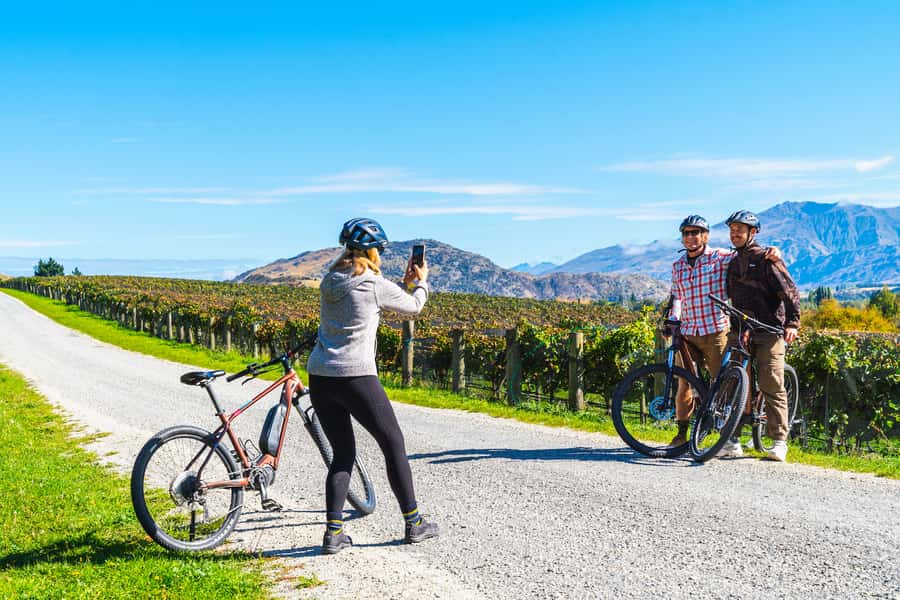
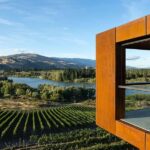
After the Kawarau Bridge section, your afternoon is built around a choose-your-own schedule. The Gibbston River Trail is the main cycling corridor, and the winery map ties together a set of cellar doors and food stops along the route.
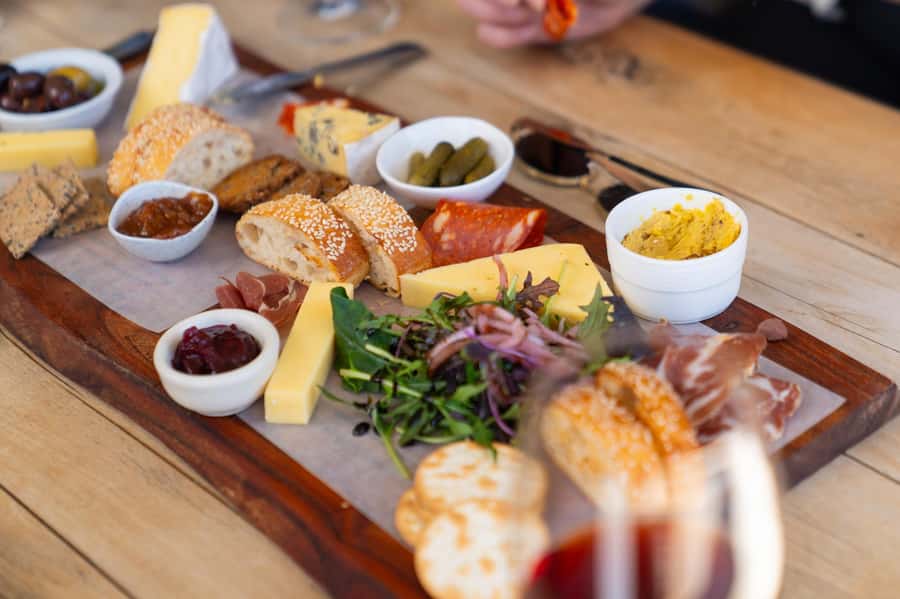
This is where the experience becomes flexible in a very practical way: you can pick a few stops and linger, or you can hop between venues if you like keeping things moving. The highlights call out stops such as cellar doors, a cheesery, and a tavern, plus the broader collection of wineries connected by the trail.
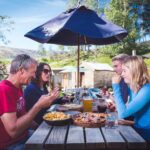
Lunch is also flexible. You’ll pass enough winery-area options that it’s realistic to stop for a relaxed meal en route without feeling like you’re sacrificing the wine side of the day. One nice strategy is to treat lunch as your anchor point, then plan your remaining stops around how much daylight and energy you still have.
A few winery stops people like to time well
Your map will list choices, and different riders land on different favorites. For example, some people rave about Kinross for lunch timing, Monte Christo as a solid wine stop, and the Gibbston Tavern for an on-trail meal. Others mention The Church as a memorable last hangout while waiting for pickup.
Not every venue is the same on every day. If something doesn’t run exactly as expected, you’re not trapped—you’re still in control of your route and can adjust your plan.
Electric bike vs standard: where the hills and gravel show up
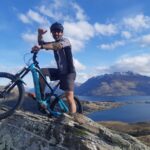
This is the big decision point for value and comfort. The tour offers either a standard mountain bike or an electric bike, with the electric option specifically pitched for help on hills.
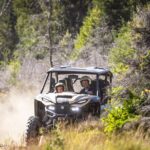
A common theme is that the cycling effort can surprise people. Some riders say there are climbs where they ended up walking a section, while others felt the electric assist made the whole day feel much easier. Even when the trail isn’t “mountain biking extreme,” the combination of grade plus gravel can add up.
There are also real-world handling considerations. Some parts of the trail are narrow and can feel risky at the edges, especially near drop-offs. Gravel can be slippery too, so if you’re not fully confident on loose surfaces, the e-bike’s extra stability and power helps you focus on control rather than fighting terrain.
For families, that matters even more. The tour isn’t suitable for anyone who can’t ride a bike, and younger riders need confidence. One caution from real usage: bikes and braking setups can vary, and a less confident rider can struggle with the first part of the route on gravel hills.
You can also read our reviews of more guided tours in Queenstown
Distance and timing: how much riding you actually get
Even though the total time is listed as 5 hours, the real experience is about how you divide it between riding, winery stops, and the fixed shuttle schedule. The tour also comes in multiple day lengths, and that affects both how far you cycle and how soon your first winery appears.
Here’s the practical distance math:
- Full-Day option: first winery about 15 km in; last winery about 25 km in.
- 3/4 Day and Half-Day options: first winery about 6 km in; last winery about 16 km in.
- For the shorter options, the start is Arrow Junction, about 5 km from the Kawarau Suspension Bridge, and riders describe a roughly 30-minute easy ride to the nearest winery area.
One thing people don’t always expect is that you spend time getting to and from the start point. A few riders mention the ride to the start location and back taking roughly 30 minutes each way, which effectively reduces the “wine time” you can fit into the day.
Price and logistics: what $56 includes and what you’ll spend on the ground
At $56 per person, the value comes from the “costs you’d otherwise pay” being handled for you: you get the bike (standard or e-bike), helmet, a navigation briefing, a winery map, and shuttle transportation from Queenstown.
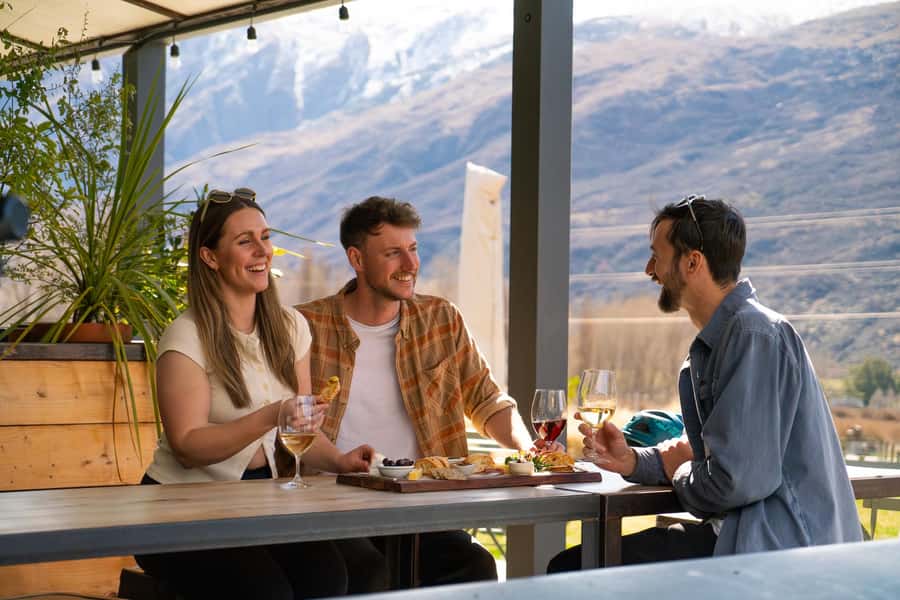
What’s not included is the wine and food. That means the budget isn’t really just $56; it’s $56 plus whatever you decide to purchase at wineries along the way. The upside is you’re not paying for tastings upfront—you can choose how many stops match your taste (and your wallet).
If you upgrade to an electric bike, it’s usually the smartest move when you want a smoother experience rather than “grinding” through hills. Some riders felt the electric option was worth it immediately, while others questioned the price if the ride ends up feeling easy for their fitness level. My take: if you’re on the fence, plan for the possibility that the day will require more effort than you imagined, and let that drive your choice.
Practical gear that makes the ride feel easy
This tour has a simple packing list: comfortable shoes and comfortable clothes. That’s not filler. Gravel surfaces and frequent stops mean your feet and clothes take more abuse than you’d think from a “wine bike day.”
A few small real-life comforts matter:
- Bring something to carry purchases. One practical suggestion: a saddlebag or small pack for wine bottles is a smart idea if you plan to buy.
- Expect your seat to be a personal variable. Some riders mention saddle discomfort, so if you’re sensitive, consider bringing light padding in your normal travel kit.
- Be ready for bike quirks. A few people noted gear shifting issues on the bikes or that helmets weren’t in perfect condition, so check your bike during fitting and request help if something feels off.
- Stay aware on loose ground. If weather turns damp, treat narrow gravel as “go slow” territory.
And yes, you should hydrate. Cycling plus tasting plus warm sun can sneak up quickly.
Who this tour suits best in Queenstown
This is a great fit if you want an outdoorsy day with wine stops and you don’t want the hassle of driving between venues. It’s also a good choice if you like control: you decide which wineries get your time and which you skip.
It also works well for mixed groups, from adults to older riders—especially when you choose the right bike type for each person’s comfort level. Many people recommend the e-bike for reducing stress and making the trail feel more like a scenic ride than a workout.
If you’re an experienced cyclist who loves loose-surface handling, a standard bike can still be a solid option. But if you’re a beginner, you’re traveling with kids, or you don’t feel great on gravel and narrow paths, plan for the electric bike or a different activity.
Should you book this self-guided Gibbston Valley bike tour?
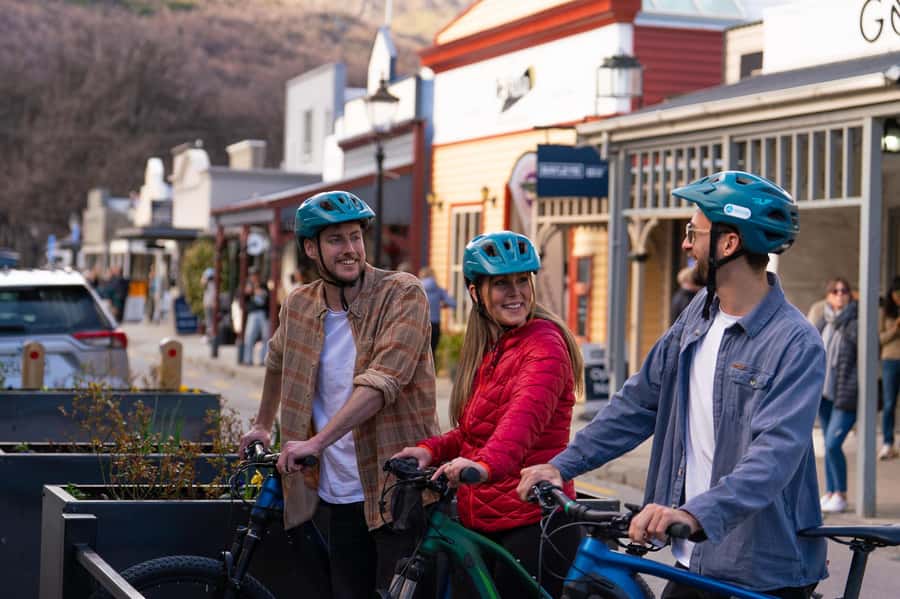
I’d book it if you want a day that’s both structured and flexible: shuttle to a great start point, bike setup and briefing, then self-guided winery hopping along a scenic river route. The blend of river crossings, suspension bridges, and famous Kawarau-area scenery makes it more memorable than a basic tasting route.
I’d think twice if you’re expecting an easy cruise with no handling challenges. The trail can be narrow in spots, gravel can be slippery, and the riding effort can be higher than you imagine. If that sounds like you, choose the electric bike, take the pace slow early, and keep your schedule realistic so you enjoy the wines instead of rushing the route.
FAQ
What’s included in the price?
You get a quality mountain bike or electric bike, helmet, a briefing for trail navigation and safety, a winery map, and shuttle transportation.
Is wine tasting included?
No. Wine tastings are not included in the tour price.
Do you include food during the ride?
Food is not included. You’ll have opportunities to stop at venues along the route, but you pay for what you choose.
Where do I check in before the shuttle departs?
Check in at Around The Basin’s shop at 3 Searle Lane in Queenstown about 10 minutes before departure time.
What time is pickup back to Queenstown?
Pickup timing at the end of the ride is the same for all options: 4:30 pm in summer (01 Sept to 30 Apr) and 4:00 pm in winter (01 May to 31 Aug).
How long is the tour?
The duration is listed as 5 hours.
Where do the different options start?
The Full-Day option starts in Arrowtown. The Half-Day and 3/4 Day options start at the bike hub in Arrow Junction, about 5 km from the Kawarau Suspension Bridge.
How far is the ride to the first winery?
For the Full-Day option, it’s about 15 km to the first winery. For the Half-Day and 3/4 Day options, it’s about 6 km to the first winery.
Is this tour suitable for everyone?
It’s not suitable for people who can’t ride a bike. If you’re not comfortable cycling confidently, consider an electric bike for extra assistance on hills.
If you’d like, tell me whether you’re considering Half-Day, 3/4 Day, or Full-Day and whether you’re leaning e-bike or standard, and I’ll help you pick a simple stopping plan that fits the fixed pickup time.