REVIEW · QUEENSTOWN
Queenstown: Southern Glacier 50-Minute Helicopter Flight
Book on Viator →Operated by Totally Tourism - The Helicopter Line · Bookable on Viator
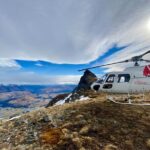
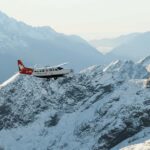
Boots on a glacier, right above Queenstown. This 50-minute helicopter flight delivers standout aerial views of Mt Aspiring and the southern valleys, capped with a short snow landing on the Jura Glacier. It’s the kind of trip that turns the Southern Alps into something you can actually touch—briefly, safely, and with great photo angles.
I love the sheer payoff of stepping out on the snow for those 5–10 minutes. The other thing I like a lot is how the pilot commentary makes landmarks feel more than pretty shapes in the sky.
One drawback to keep in mind: seating can be tight, and if you’re traveling with a small child, you might not be able to choose the best window spot.
In This Review
- Key things to know
- Jura Glacier in 50 minutes: what makes this Queenstown flight special
- The route: Lake Wakatipu, Remarkables, and the Southern Alps divide
- Landing on Jura Glacier: why that 5–10 minutes matters
- Stop-by-stop: what you’re doing in the sky
- Getting up and finding the big picture
- Mt Aspiring National Park views and the glacier ice feel
- Soaring over native forest and icefalls again
- Over Lake Wakatipu on the way back
- Inside the helicopter: AS355 Squirrel, sightlines, and comfort
- Pilot commentary: the difference between seeing and understanding
- The $547 price: is it worth it, or just expensive air?
- What to pack and how to get the best photos
- Who this flight is best for (and who should choose something else)
- Should you book the Southern Glacier 50-Minute Helicopter Flight?
- FAQ
- How long is the helicopter flight?
- Do we actually land on the glacier?
- What kind of views will I get?
- Is hotel pickup and drop-off included?
- Where is the meeting point?
- How many people are on the helicopter?
- What aircraft is used?
- What should I wear?
- Is food included?
- What happens if weather cancels the flight?
Key things to know
- 50 minutes of flight time plus a Jura Glacier snow landing (5–10 minutes)
- Small group size with a maximum of 6 travelers
- Open cabin views in an AS355 Twin Engine Squirrel
- Hotel pickup and drop-off from centrally located Queenstown hotels
- Pilot narration focused on Southern Alps sights like Mt Aspiring and the Lake Wakatipu area
- Requires good weather; if flights can’t run, you’ll be offered another date or a refund
Jura Glacier in 50 minutes: what makes this Queenstown flight special
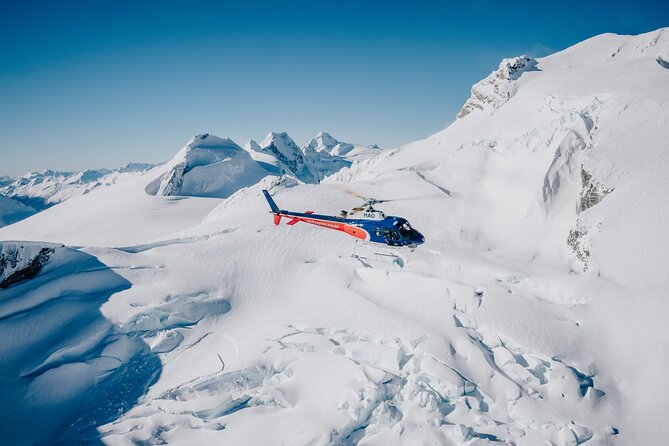
Queenstown gets a lot of helicopter options. This one stands out because it does more than fly overhead. You land on snow at Jura Glacier, which means you’re not just looking at glacier terrain from above—you’re standing on it for a short, tightly managed visit.
The flight also does a smart job of mixing big-name scenery with the quieter “only-from-the-air” details. You’ll get mountain walls and glacier-fed water from Lake Wakatipu’s northern area, then you’ll move into the Southern Alps region with views tied to places like Mt Aspiring. It’s a good match for people who want maximum drama without a full day of driving.
And yes, it really does feel like a pocket-sized adventure. The whole experience is short enough that you can still enjoy Queenstown afterwards, but big enough that you’ll come away with the kind of photos and memories that make the cost hurt a little less.
You can also read our reviews of more tours and experiences in Queenstown
The route: Lake Wakatipu, Remarkables, and the Southern Alps divide
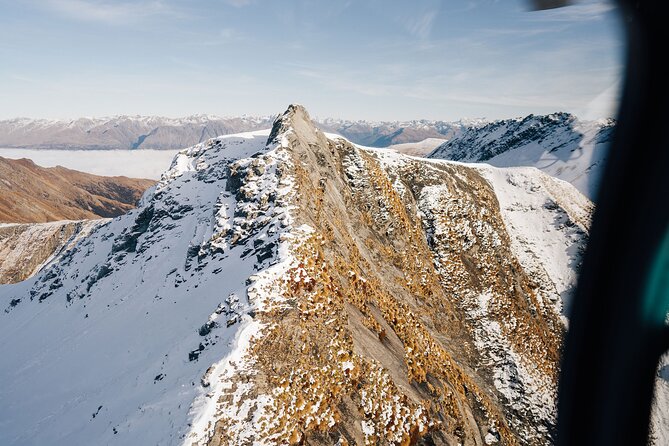
You start from the helicopter base and head out toward the spiny mountain range that cuts through the South Island’s scenery—often associated with the Remarkables area in the Lake Wakatipu region. Even in a short flight, there’s a rhythm to how your eyes adjust: first you read the valley layout, then you start seeing how glaciers and river systems carve the land.
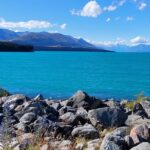
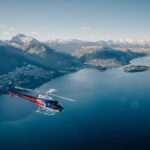
As you rise, Lake Wakatipu becomes a clear reference point. From the air, you can spot how the water stretches along the valley, then you gradually lose the “road map” feeling and shift into pure alpine geometry—ridges, bowls, and ice-rich terrain that look very different from ground-level viewpoints.
If you like understanding what you’re seeing, the pilot commentary helps a lot. The narration is designed to connect the scenery to real South Island landmarks rather than vague descriptions. It’s also interactive in the sense that you can look where the pilot is pointing and instantly understand the story behind the view.
Landing on Jura Glacier: why that 5–10 minutes matters
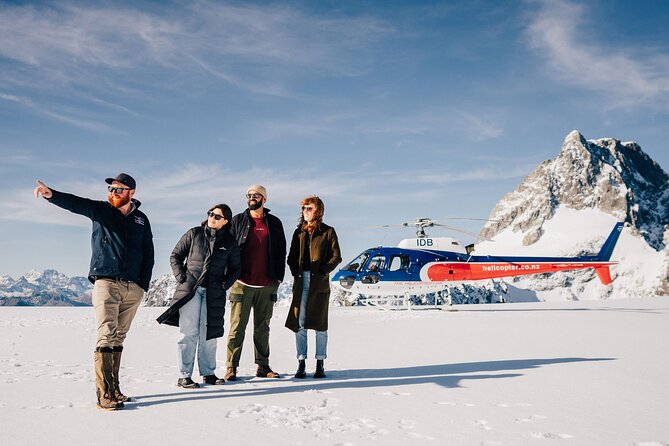
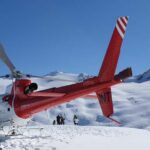
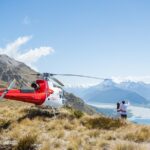
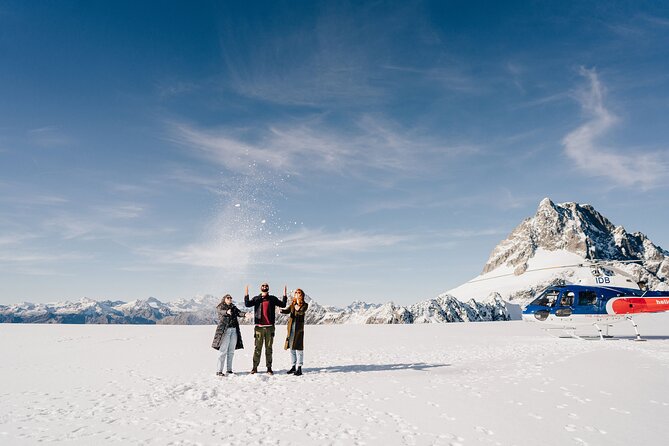
The highlight is the snow landing on Jura Glacier. You don’t spend long on the glacier, and that’s exactly the point. The landing is built for safety and time on site, so you get a burst of access without turning it into a long, exhausting hike on ice.
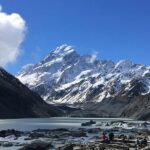
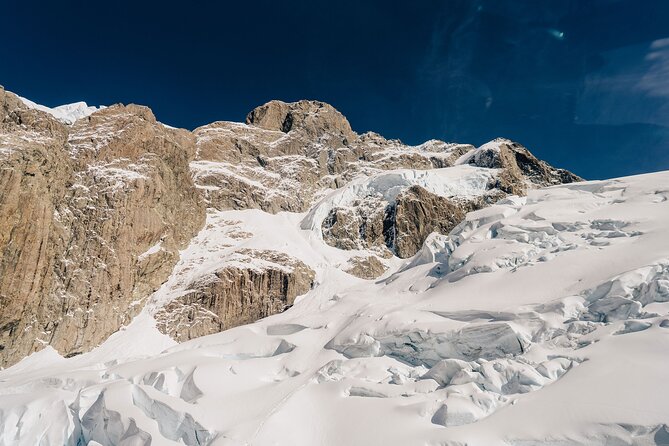
When you step out, the whole scale changes. Mt Aspiring and the surrounding snow-capped peaks look closer, sharper, and more three-dimensional than anything you’ll see from a viewpoint on the ground. You also get the kind of alpine silence you can’t really simulate elsewhere. Even if you’ve seen glacier photos before, the real thing has texture—snow sheen, shadow lines, and the sense of depth in the terrain.
Cold is real. The tour recommends warm clothing and suitable footwear because temps are lower up there, and at least one reviewer specifically said to bring gloves. If you tend to get cold easily, treat this like you’re dressing for winter street conditions, not just “cool mountain air.”
Photo tip that actually helps: plan your shots for the landing moment, not only the takeoff. You’ll have a brief window where the scenery behind you feels completely different than the aerial shots from inside the cabin.
Stop-by-stop: what you’re doing in the sky
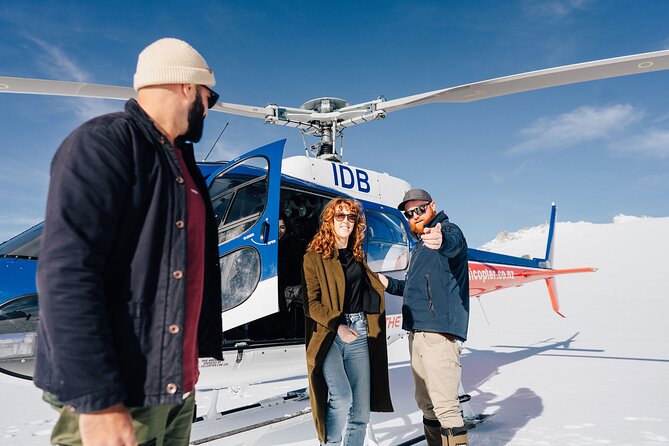
This flight moves through several clear phases, and each one has its own “why” for choosing a helicopter instead of a bus or short walk.
Getting up and finding the big picture
Early on, you head away from the immediate Queenstown area and into the alpine “spine” that separates and shapes the South Island. This part is about orientation. You’ll see how valleys connect and how the mountain range forces rivers into their own paths.
Mt Aspiring National Park views and the glacier ice feel
Next, you get the sights tied to Mt Aspiring and the surrounding national park region. You’ll see untouched native forest patches from above, plus glacial icefalls that look like frozen staircases from some angles. Then you land among the snow-capped peaks area where the scenery looks wild and remote.
The value here is access plus context. Helicopters turn distant alpine features into something you can actually observe and photograph, while the pilot narration helps you link what you’re seeing to the geography rather than just appreciating pretty mountains.
Soaring over native forest and icefalls again
After the landing, the return route keeps you above the alpine features. Flying over native forest and glacial icefalls again helps you compare what you saw from the glacier top with what looks different from the air while in motion. It’s also an easier phase physically. You’re warm inside the cabin again, with the best seats still offering good sightlines.
Over Lake Wakatipu on the way back
Finally, you glide back over the Lake Wakatipu area, and the scenery shifts from rugged alpine shapes into a more recognizable valley pattern. This last pass is great for catching photos that include water and mountains together—what your eyes expect from Queenstown, but now with a fresh angle.
Inside the helicopter: AS355 Squirrel, sightlines, and comfort
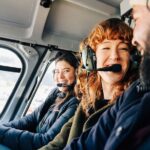
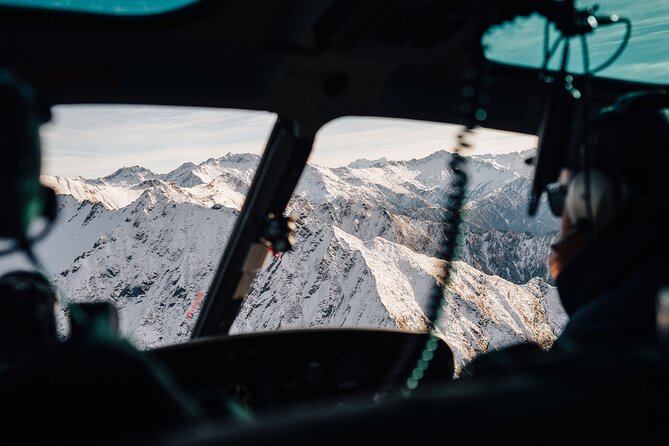
Your aircraft is mainly the European AS355 Twin Engine Squirrel, a compact twin-engine helicopter built for scenic operations. Seats are set up for open-plan cabin views, so most people get a decent look rather than being trapped behind a window frame.
That open layout is one reason this feels special: you’re not stuck looking through a tiny pane or rotating your body for every shot. You also get the sense of being part of the view—like you’re floating above the terrain instead of watching from a vehicle.
Still, I’m going to be honest about the comfort reality. The helicopter cabin is not huge. If you’re traveling with a small child, seating can be a factor in whether they’ll get the best sightline. One review called out that a headset mic was hard to hear clearly for their group, so if you’re the type who relies on audio instructions, you might want to position yourself as best as you can at check-in.
On safety and operations: this operator uses helicopters with strong Civil Aviation Authority certification for scenic flights, and they fly in New Zealand’s alpine environment for this kind of terrain. That matters because glacier-and-mountain flying is not “just another scenic loop.”
Pilot commentary: the difference between seeing and understanding
This experience is strongly shaped by the pilot. Many flights are described as smooth, and the narration is repeatedly praised. Names that came up include Jonathan, Danny, Ben, Richard, Bill, and Zippy, and the common thread is clear: the pilot isn’t just flying the route, they’re talking through what you’re seeing.
What that does for you is simple. Without commentary, glacier icefalls and valley rivers can look similar across photos. With narration, you start to recognize the landmarks and the way the rivers and ice interact over time. You come down with the sense that the flight gave you a mental map—not just a few stunning pictures.
The $547 price: is it worth it, or just expensive air?
At $547.38 per person, this is not a budget activity. Helicopters cost money, and the flight’s value is tied to three things you can’t replicate easily:
1) The glacier landing (not just hovering)
2) The speed and proximity from Queenstown (no long-day driving required for far-off glacier access)
3) The “from every angle” photo experience inside an open cabin and a short, focused route**
If your alternative is spending hours traveling to reach a distant viewpoint, this can still feel like a win even at a high price. You’re paying for time, access, and the unique viewpoint you only get from the air.
I’d book this when you want a once-in-a-trip experience rather than a “maybe” activity. If you’re already on the fence because you hate crowds or dislike cost surprises, this might not be the best fit. But if you’re excited by glaciers, Southern Alps scenery, and the idea of stepping onto snow, the pricing starts to make sense.
What to pack and how to get the best photos
The tour recommends warm clothing and suitable footwear. That’s practical advice, not a suggestion you can ignore. If you’ll be standing or kneeling briefly on snow during the landing, gloves help, and layers make a bigger difference than a single thick jacket.
For photos, you’ll have opportunities from the cabin during the route and during the landing. A useful mindset: think less about trying to capture everything and more about capturing the moments that change your perspective.
- Use landing time for wider shots that include glacier terrain and mountains behind you.
- Use cabin time for river-valley lines and glacier-fed water patterns where the scale is most obvious.
- Keep your phone or camera accessible during key moments—helicopter doors, seatbelts, and movement all make last-minute fumbling harder.
Also, check the time they give you at confirmation. One review reminded people to double-check check-in time. It’s worth following the schedule so you don’t feel rushed before you even lift off.
Who this flight is best for (and who should choose something else)
This is ideal for:
- Couples, friends, and solo travelers who want a short but high-impact adventure
- People who are excited by glaciers but don’t want a long trek
- Anyone who values a pilot who explains the landmarks as you fly
- Visitors staying in Queenstown who want the Southern Alps payoff without a full-day road trip
You might think twice if:
- You’re traveling with very small kids who need a specific seat for comfort and viewing. Seating can be constrained, and you should plan for less-than-perfect sightlines in some cases.
- You’re sensitive to audio. Headsets are part of the experience, but at least one reviewer found the mic hard to hear clearly.
- You get motion sick easily. The flight is described as smooth by reviewers, but you’ll still be in a helicopter, so consider your comfort needs.
There’s also a per-passenger weight limit of 331 lbs, and the tour notes moderate fitness due to cold conditions and brief time on snow. If that’s a concern, ask before booking so you’re not guessing.
Should you book the Southern Glacier 50-Minute Helicopter Flight?
If you want one experience in Queenstown that feels like it belongs to the Southern Alps, this is a strong choice. The combination of Jura Glacier snow landing, 50 minutes of scenic flying, and pilot narration is exactly what makes helicopter sightseeing different from just looking at mountains from the ground.
Book it if:
- you’re excited by glaciers and want direct access for a short landing,
- you like structured commentary that turns views into context,
- and you’re okay with the premium price for time and access.
Consider another option if:
- you’re mainly looking for a cheap activity,
- you have strict needs around child seating/view,
- or you’d rather spend your money on guided walks and viewpoints instead of a helicopter ride.
If the weather is cooperative, this is one of those Queenstown “do it while you’re here” activities that leaves you with real stories—not just photos.
FAQ
How long is the helicopter flight?
The flight time is about 50 minutes, with an additional snow landing experience of about 5–10 minutes.
Do we actually land on the glacier?
Yes. The tour includes a snow landing on Jura Glacier, where you can step out and take in the views.
What kind of views will I get?
You’ll fly above the Lake Wakatipu area, see the Remarkables mountain range, and get views connected to Mt Aspiring, glacial icefalls, and the Rees and Dart River valleys.
Is hotel pickup and drop-off included?
Yes. Pickup and drop-off are offered from centrally located Queenstown hotels.
Where is the meeting point?
The start point is The Helicopter Line at 29 Lucas Place, Frankton, Queenstown 9348. The activity ends back at the meeting point.
How many people are on the helicopter?
The tour has a maximum of 6 travelers, and the aircraft seats 6 passengers plus the pilot.
What aircraft is used?
The fleet is predominately the European AS355 Twin Engine Squirrel.
What should I wear?
Warm clothing and suitable footwear are recommended due to cold temperatures. Gloves are also a smart idea for the glacier landing.
Is food included?
No. Food and drinks are not included.
What happens if weather cancels the flight?
The experience requires good weather. If it’s canceled due to poor weather, you’ll be offered a different date or a full refund.