REVIEW · QUEENSTOWN
TSS Earnslaw Lake Wakatipu Steamship Cruise from Queenstown
Book on Viator →Operated by RealNZ · Bookable on Viator
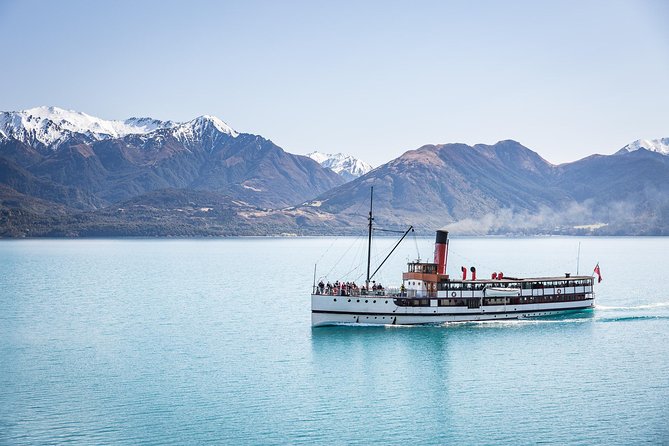
Old coal steamers still rule in Queenstown. This 1.5-hour TSS Earnslaw cruise puts you on a working Edwardian-style steamship, with dramatic Lake Wakatipu views of Central Otago and a real look at how the ship moves. I love the up-close moment when the stokers feed the coal fire, and I love how the captain’s storytelling adds context to what you’re seeing from the water.
The main drawback is simple: it can be busy depending on your sailing, and the engine-room experience and viewing spots can feel like a bit of a game of timing.
In This Review
- Key things that make this cruise worth your time
- Why the TSS Earnslaw cruise feels more real than most boat rides
- Getting to the Steamer Wharf: what to do before you board
- Boarding the TSS Earnslaw: explore the ship before you even leave the dock
- The engine room moment: coal fires, stokers, and the real sound of steam
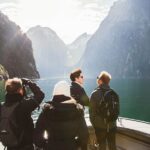
- Lake Wakatipu cruise time: what you’ll notice in the scenery from the water
- Walter Peak stop: make a land plan, or enjoy the boat if you stay aboard
- Food and drinks onboard: how to budget for snacks and drinks
- Comfort and crowd levels: how to choose your spot on the day
- Price and value: is $71.37 worth it for your Queenstown day?
- Should you book the TSS Earnslaw Lake Wakatipu cruise?
- FAQ
- How long is the TSS Earnslaw Lake Wakatipu cruise?
- Where does the cruise depart from in Queenstown?
- What is the price of the cruise?
- What’s included in the ticket?
- Are food and drinks included?
- Do I get a mobile ticket?
- How many people are on board?
- What happens if the weather is poor?
- Is pickup from my hotel included?
- Are service animals allowed and is it suitable for most people?
Key things that make this cruise worth your time
- Coal-powered, still operating: you’ll see the working engine room and the crew feeding a roaring coal fire
- Historic ship on Lake Wakatipu: the views are made for slow looking, not phone scrolling
- Multiple departure times: pick the light you like, from daytime to late afternoon
- Onboard museum and easy wandering: there’s time to explore the ship before and during the trip
- Walter Peak stop on this route: you get a real reason to look beyond the water
- Snacks and drinks available: you can top up without committing to a full meal
Why the TSS Earnslaw cruise feels more real than most boat rides
Queenstown has tons of water activities. This one hits different because it’s not just a ride—it’s a working piece of maritime history. The TSS Earnslaw is a coal-fired passenger steamer, and it’s still powered the old-school way with a pair of screw propellers mounted on either side of the hull (the “TSS” stands for twin screw steamer).
That matters because you’re not watching a modern engine disappear behind the scenes. You’re on a ship where you can go see what’s happening. I especially like how the experience balances scenery with ship mechanics: you’re out on the lake, but you’re also learning what it takes to keep the coal fire fed and the steamship running.
You can also read our reviews of more boat tours in Queenstown
Getting to the Steamer Wharf: what to do before you board
Your departure point is the RealNZ | TSS Earnslaw Queenstown Cruise area at the Steamer Wharf, Beach Street in Queenstown. The ticket you use is mobile, so plan to have your phone charged and ready.
A practical move: arrive early. One traveler recommended getting there around 30 minutes before departure, and that advice makes sense here. You want time to find your boarding area, locate where you’ll go for the best views, and settle in before the ship starts moving.
Also, the experience depends on weather. If conditions are poor, the cruise can be canceled and you’ll be offered a different date or a full refund—so it’s worth keeping your day flexible when you book.
Boarding the TSS Earnslaw: explore the ship before you even leave the dock
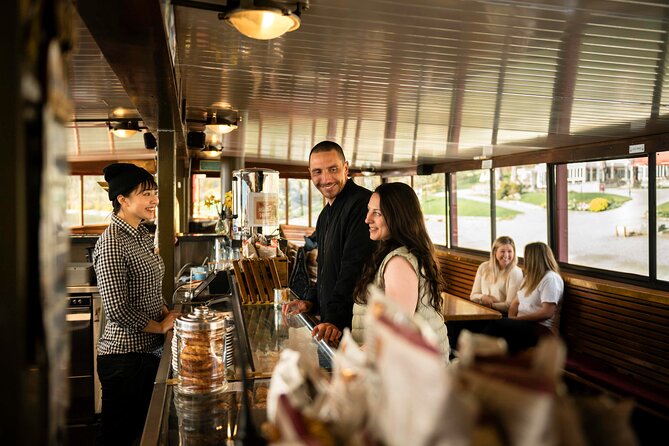
Once you’re on board, take advantage of the fact that you have time to wander. This is not the kind of tour where you’re herded straight to a seat and told not to move.
Here’s what you can look for right away:
- Forecastle museum: a small onboard museum is located there, giving you a bit of context on the ship
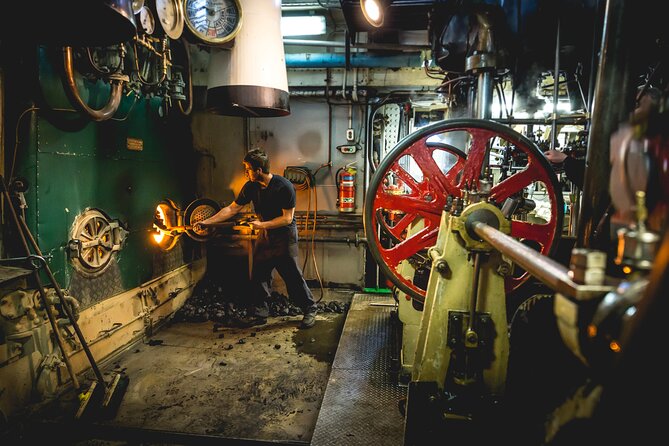
- Engine room viewing: you can go below decks to see the engine area where stokers tend the coal fire
- Open-deck and indoor options: you can choose where you want to watch, depending on wind and temperature
In one-on-one terms: you’ll get the best experience if you don’t treat this like background noise. Slow down. Walk around. Then pick your viewing spot once you understand where you like to stand or sit.
The engine room moment: coal fires, stokers, and the real sound of steam
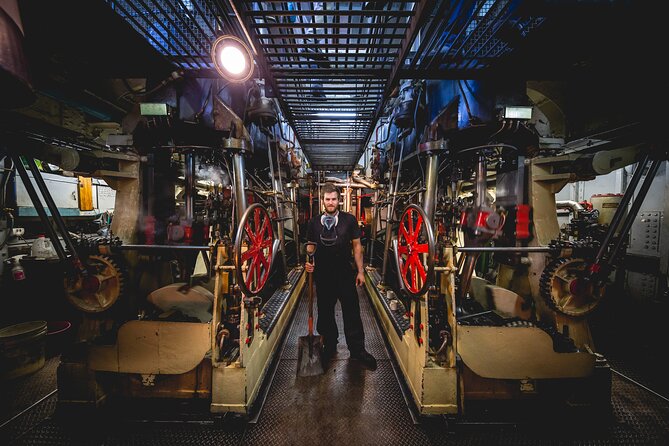
This is the part many people remember longest, and it’s easy to see why. As the cruise runs, stokers feed the coal fires that power the steamship. The ship’s engine room is loud, busy, and very physical work—much more than the idea of steam power from a museum display.
A key detail: depending on how crowded things are, you may find it easier to watch from certain vantage points, and in some cases you might be able to get an even closer view. Either way, you’ll see the core action that makes the TSS Earnslaw what it is.
If you’re traveling with people who like practical systems—how things work—this section turns the whole cruise into something more than scenery. And even if you’re not, it’s still mesmerizing to watch the rhythm of the crew’s work while the lake glides by outside.
Lake Wakatipu cruise time: what you’ll notice in the scenery from the water
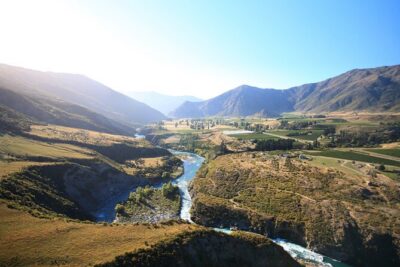
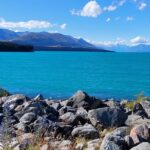
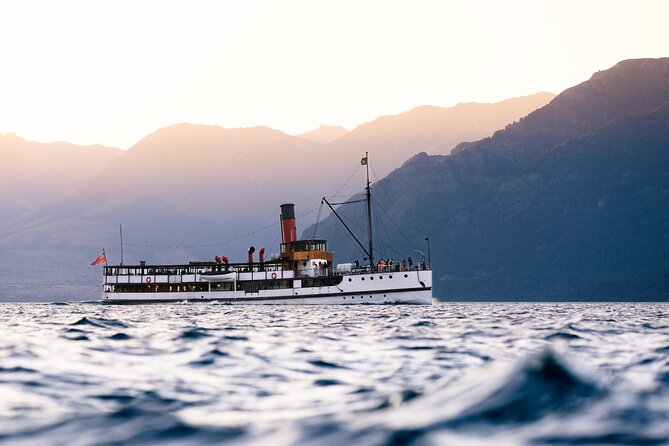
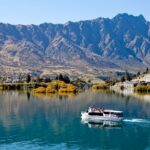
The cruise sails across Lake Wakatipu between Queenstown and Walter Peak High Country Farm (with the return trip back to Queenstown). The lake is deep—up to 1,250 feet (380 meters)—and you feel that scale when you’re out there, especially with the mountains surrounding the water.
What I like about this portion is that the scenery changes as the light and clouds shift. One traveler described ever-changing cloud formations, and that matches what you can expect on a lake trip: the view isn’t static. It’s always slightly different.
Also, the captain and crew provide historical and contemporary commentaries. That turns the cruise from a scenic lap into a guided experience. The commentary is where details like local geography, the ship’s operation, and points of interest make sense in your head instead of floating past.
And yes—music can happen. One traveler noted a pianist playing songs during the return journey while passing scenic views. That’s the kind of extra touch that makes the ride feel like an event, not a commute.

Walter Peak stop: make a land plan, or enjoy the boat if you stay aboard
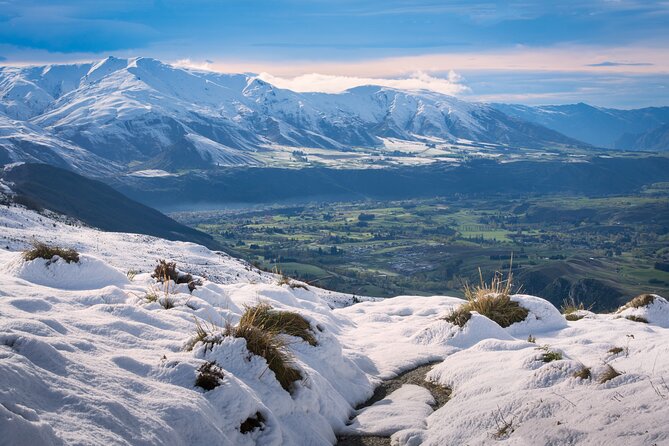
On this route, you travel over to Walter Peak High Country Farm and return. That means you’ll have the option to experience more than just the lake.
Here’s the real-world planning angle: how much you can do on land may depend on your specific sailing setup. Some departures give you time to get off and explore; in other cases, you might stay onboard for the full duration. So before you assume you’ll be roaming the farm, check what your ticket/sailing allows.
If you do get time at Walter Peak, you’ll likely want to spend your energy where it counts—views first, then whatever activities are offered. If walking around feels like work, it’s still worth knowing that the boat itself stays interesting, especially with the engine room and onboard museum.
One thing to keep in mind: some travelers described a longer stay at Walter Peak. That can be a plus if you want time on shore, but if you’re tight on schedule, consider pairing this cruise with something else that doesn’t depend on urgent timing.
Food and drinks onboard: how to budget for snacks and drinks
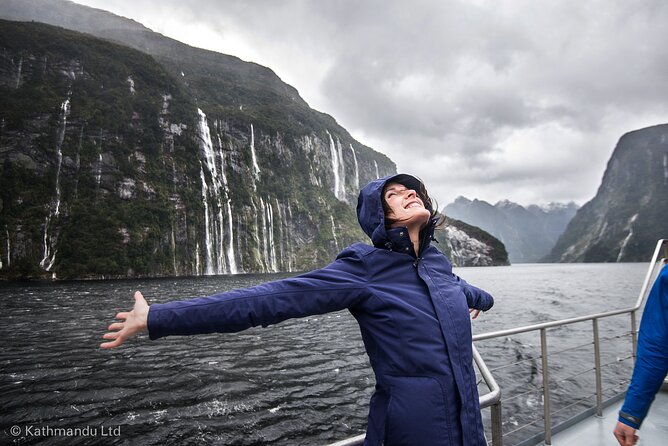
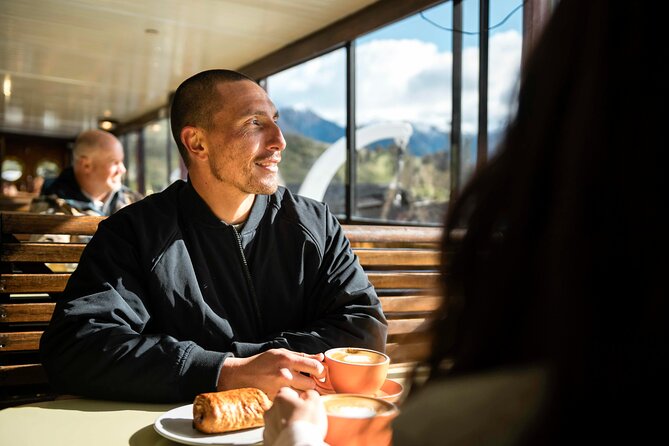
Your ticket does not include food or drinks, but you can purchase snacks and drinks onboard. The onboard café is part of the charm, because it gives you a warm place to regroup while still being right there on the ship.
A couple of practical tips from real experience:
- Coffee and light pastry show up as common options.
- Beer and wine can be available on some sailings.
- One traveler reported that cash wasn’t accepted and cards were used, so don’t assume you can pay with bills.
Plan to bring extra spending money if you want snacks or a drink. Since the base price is relatively affordable for a historic-ship experience, food add-ons are the main variable cost.
Comfort and crowd levels: how to choose your spot on the day
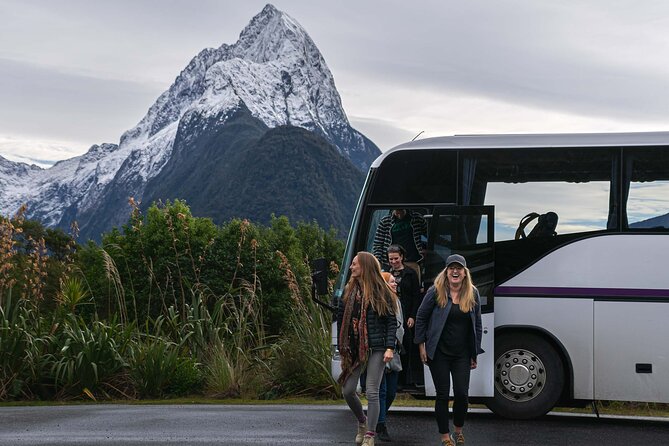
This cruise has a maximum of 150 travelers. That’s not tiny, so choose your comfort strategy early.
When the ship is full, it can feel packed—especially around the areas tied to the engine room and the most popular deck sections. If you want the best chance at a calmer experience, try aiming for a departure time that matches your pace and crowd tolerance. Late afternoon can be a great choice for atmosphere, but any sailing can run with a full load depending on the day.
Also, dress for changing conditions. Lake air can bring wind, and that’s part of the fun. Still, you’ll appreciate having layers so you can move between:
- outside viewing (for wind and views)
- inside areas (for warmth and a calmer vibe)
If you’re the type who gets cold easily, build in that flexibility. The ship setup makes it easy to swap without missing the whole view.
Price and value: is $71.37 worth it for your Queenstown day?
At $71.37 per person, this cruise is one of those Queenstown activities that can be a smart use of time because it combines three things people usually pay separately for: a real boat ride, a guided historical element, and a memorable setting on the water.
What you’re paying for:
- A historic coal-powered ship that’s still operating
- Access to ship areas (including the engine room focus and museum time)
- Stunning Lake Wakatipu views with commentary
- A route that connects Queenstown with Walter Peak on the water
What you might pay extra for:
- Snacks and drinks onboard
- Any onshore farm add-ons if your sailing includes disembarking activities
So the value question comes down to this: do you want a single, relaxing outing that feels distinct from the usual quick sightseeing? If yes, this is a strong pick. If you’re trying to keep costs ultra-tight, you’ll want to budget for at least one onboard purchase—or plan to bring a light personal snack before boarding (since your ticket doesn’t cover food).
Should you book the TSS Earnslaw Lake Wakatipu cruise?
I’d book it if you want an authentic Queenstown water experience with hands-on ship personality. The coal-powered part is not a gimmick. Seeing the engine room focus and watching the stokers feed the fire is exactly the kind of detail that makes a cruise stick in your memory.
You should also book if you like a mix of scenery and explanation. The commentary from the captain and crew makes the lake feel less like a postcard and more like a place with stories behind it.
Skip it (or at least think twice) if your ideal day is ultra-flexible wandering. Depending on your sailing and how the Walter Peak stop is handled, your time on land may be limited, and the ship can get busy. But even then, the boat itself gives you plenty to see.
If your schedule has room for one classic Queenstown activity, this is one of the best ways to spend it.
FAQ
How long is the TSS Earnslaw Lake Wakatipu cruise?
The cruise is approximately 1 hour 30 minutes.
Where does the cruise depart from in Queenstown?
It starts at the Steamer Wharf, Beach Street, Queenstown 9300, at the RealNZ | TSS Earnslaw Queenstown Cruise Steamer Wharf meeting point.
What is the price of the cruise?
The price is $71.37 per person.
What’s included in the ticket?
The ticket includes GST (Goods and Services Tax).
Are food and drinks included?
No. Food and drinks are not included, but you can purchase snacks and drinks onboard.
Do I get a mobile ticket?
Yes, the experience uses a mobile ticket.
How many people are on board?
This activity has a maximum of 150 travelers.
What happens if the weather is poor?
This experience requires good weather. If it’s canceled due to poor weather, you’ll be offered a different date or a full refund.
Is pickup from my hotel included?
No. Hotel pickup and drop-off are not included.
Are service animals allowed and is it suitable for most people?
Service animals are allowed, and most travelers can participate. The meeting point is also near public transportation.