REVIEW · QUEENSTOWN
Bike The Wineries (3/4 Day) – Ride Through Queenstown Vineyards
Book on Viator →Operated by Around The Basin Bike Queenstown · Bookable on Viator
Bikes, wine, and one of New Zealand’s most famous bridges—what’s not to like? This self-guided bike tour links Queenstown-area river trails with the Gibbston Valley wine district, so you can pedal at an easy pace and spend your time where you actually want it. I especially love the mix of big scenery and small choices, plus how the day is structured so you’re not stuck in one long winery line.
I also like that you get bike + helmet + transfers plus a winery map, which turns this into a hassle-free way to do wine country without booking multiple shuttles or pacing yourself around someone else’s schedule. One thing to consider: most of the effort is the riding, and if you’re on a non–e-bike and want lots of tastings, plan your energy carefully.
If you’re up for a fun outdoor day with wine stops you can control, this is a strong Queenstown pick—just go in with realistic expectations about the cycling.
In This Review
- Key highlights you’ll actually care about
- Queenstown to Gibbston Valley by bike: the freedom factor
- The ride plan: 17 km of easy trails plus the big photo stop
- Stop 1: Arrow Junction and the set-up for an easy start
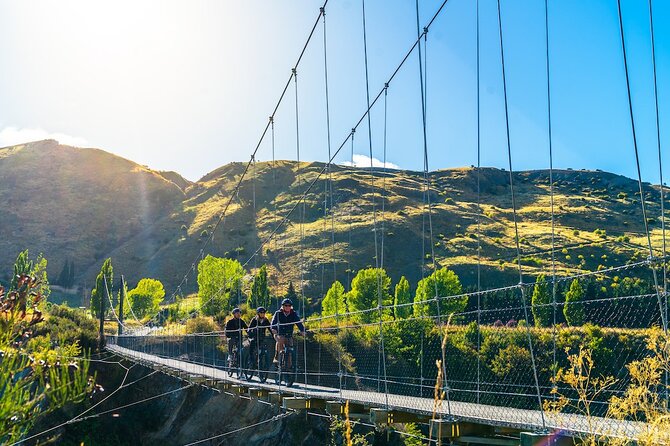
- Stop 2: Kawarau Suspension Bridge, and why it fits this tour
- Stop 3: Gibbston Valley Winery as your first proper tasting anchor
- Stop 4: Kinross Winery, Cellar Door & Cottages
- Stop 5: The Church Cellar Door and Cafe—1894 building, relocated vibe
- Stop 6: Mt Rosa Wines for a friendly end-of-route taste
- How the wine map works when there’s no guide biking with you
- Why e-bikes keep popping up for this route
- Time management: how the day tends to feel
- What’s included—and why the price makes sense
- Who this tour suits best in Queenstown
- Little practical tips that make the day smoother
- Should you book Bike The Wineries (3/4 Day) in Queenstown?
- FAQ
- How long is the Bike The Wineries experience?
- How far do you ride on this tour?
- What’s included in the price?
- Is there a guide biking with you?
- Does the tour include wine tastings and food?
- Where does the tour start and end?
- Is wine tasting allowed for minors?
Key highlights you’ll actually care about
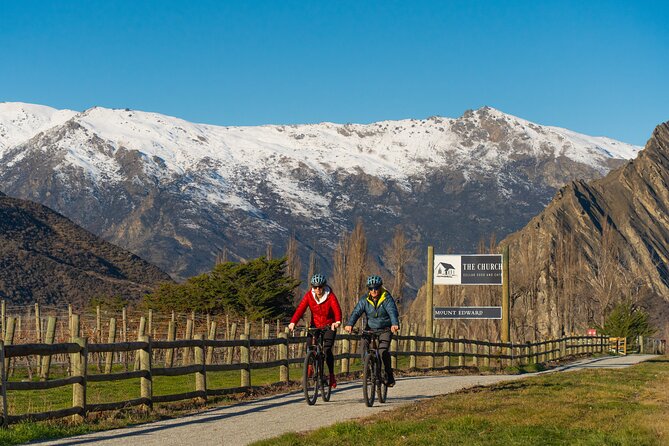
- 17 km (11 miles) of easy rural riding along set bike trails, not rough backroads
- Kawarau Suspension Bridge stop, with plenty to see around Queenstown’s bungy history
- 7 wineries plus a brewery and tavern to pick from using a trail/winery map
- Time for you to linger: no guide biking alongside you, so you set your tasting pace
- Support on call for mechanical or navigation issues, so you’re not totally on your own
- Short, snackable stop times at several anchor wineries before you branch out
Queenstown to Gibbston Valley by bike: the freedom factor
The best part of this tour is that it’s built around freedom. You’re given a clear route and a map, but you’re not locked into a rigid tasting script. That matters in wine country, where you might love one place and politely skip the next.
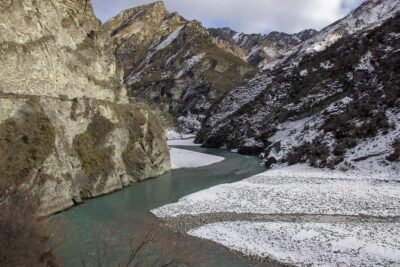
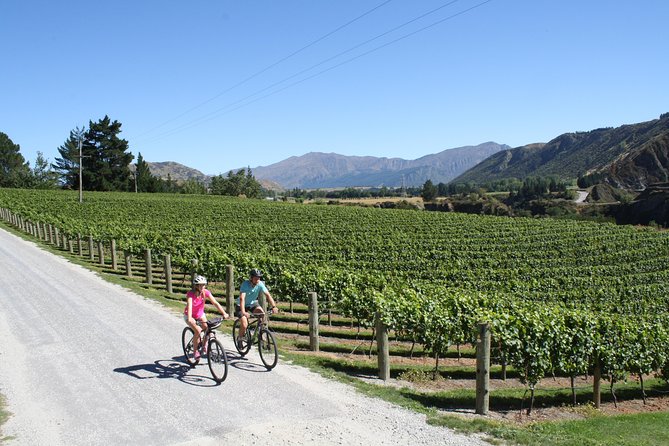
You’ll cycle through the Queenstown area and down toward Gibbston Valley, with easy trails that feel like a scenic country shortcut. Along the way, you stop at key sights and then continue on your own schedule at the wineries you choose.
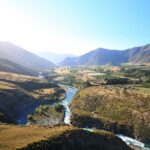
And yes, the famous bridge is part of the payoff. Crossing the Kawarau Suspension Bridge is a quick dose of Queenstown energy, especially if you’ve seen videos of bungy jumping and zip-lining in this area.
You can also read our reviews of more cycling tours in Queenstown
The ride plan: 17 km of easy trails plus the big photo stop
This day is designed to be manageable. The total ride is about 17 kilometers (11 miles), and the route uses rural bike trails rather than busy streets. That’s what keeps this from feeling like a chore and turns it into a wine-country outing you can actually enjoy.
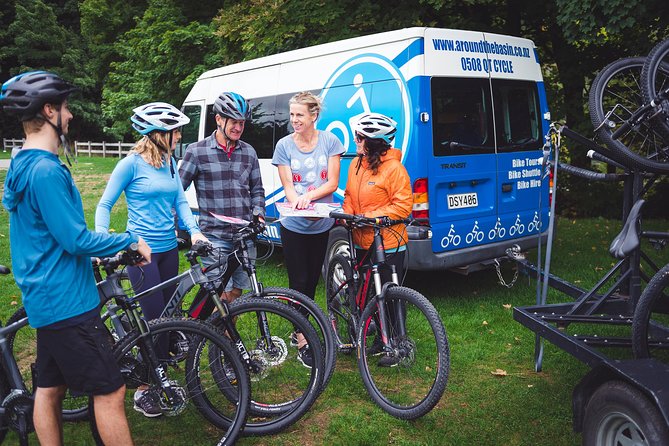
You’ll start at the bike hub at 3 Searle Lane, Queenstown. From there, the ride begins with a 6 km (4 miles) stretch along a bike trail toward the start of the Gibbston Valley trail. It’s a good warm-up segment before you reach the main chain of winery options.
One of the most time-efficient stops is the Kawarau Suspension Bridge. You cross it, watch the action around the bridge area, and then continue. It’s not a long detour, which keeps the day from dragging.
Stop 1: Arrow Junction and the set-up for an easy start
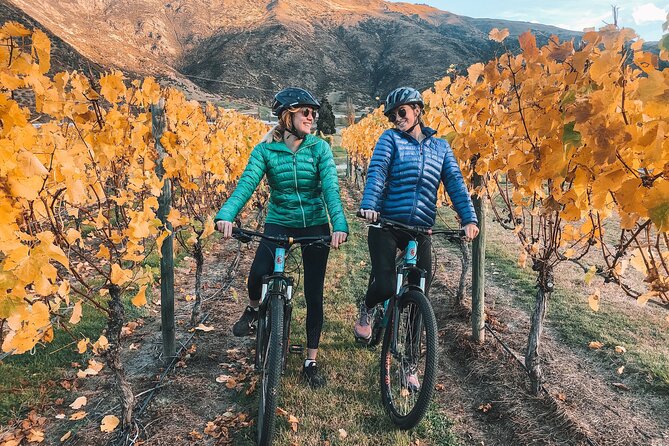
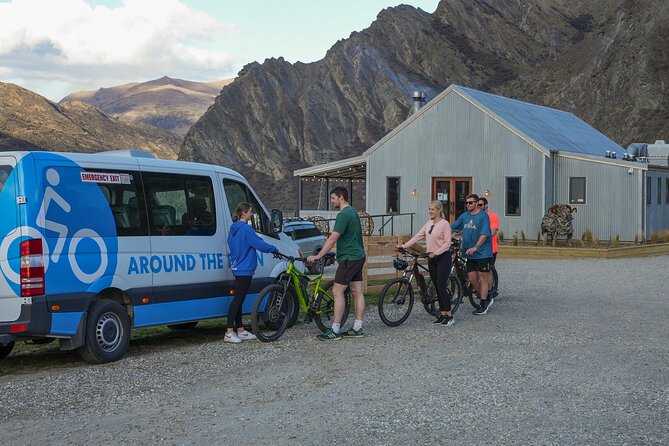
Your morning starts at the Arrow Junction bike-hub. This is where everything gets organized for you: bike/helmet handover and the start of the route.
From Arrow Junction, you ride about 6 km (4 miles) along a bike trail toward the Gibbston Valley Trail. The purpose here is simple: get you rolling on a scenic path without throwing you straight into a hard climb.
This is also where your pace matters. If you’re planning to do multiple tastings later, use this section to settle in and figure out your rhythm.
Stop 2: Kawarau Suspension Bridge, and why it fits this tour
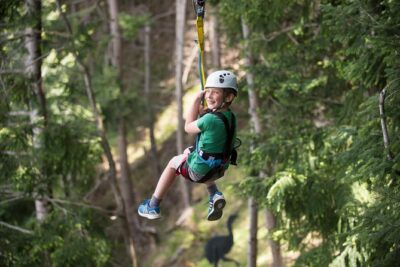
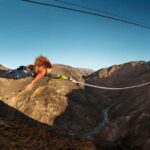
The Kawarau Suspension Bridge stop is short, about 15 minutes, but it’s packed with visual energy. It’s famously tied to the first commercial bungy jumping operation, so you’ll see bungy jumpers and zip-liners doing their thing.
Even if you don’t stop for activities, it’s a memorable waypoint. It gives the day a distinctly Queenstown flavor before you fully lean into the Gibbston wine zone.
Practical tip: wear something comfortable and stable for standing around to watch. You’ll be tempted to linger, and that’s okay, but don’t lose the thread if you want your full winery lineup.
Stop 3: Gibbston Valley Winery as your first proper tasting anchor
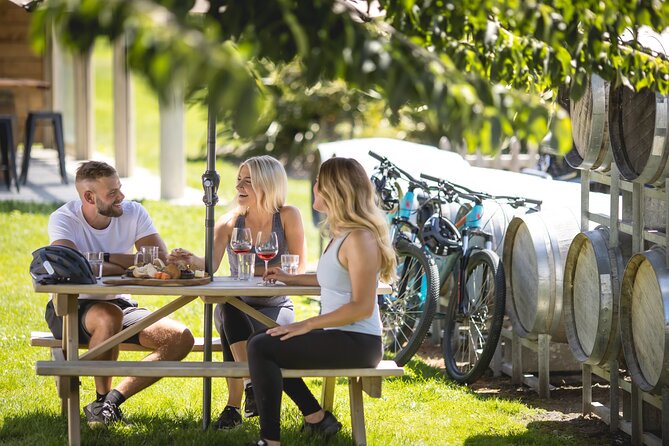
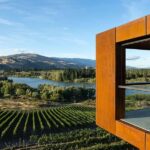
Next up is Gibbston Valley Winery, one of the larger names in the region. You’ll have around 30 minutes here for wine tastings and time to eat if the restaurant setup appeals to you. The winery also functions as a natural meeting point on a self-guided route.
This stop works well because it’s early enough to set your expectations for the style of wines you’ll likely taste the rest of the day. If you already know what you like, you can use this as a calibration stop and then spend more time at places that match your taste.
Keep in mind: wine tastings aren’t automatically included in the tour price. You’re paying for time and access to the venues, while tastings and any purchases are part of your on-site choices.
You can also read our reviews of more tours and experiences in Queenstown
Stop 4: Kinross Winery, Cellar Door & Cottages
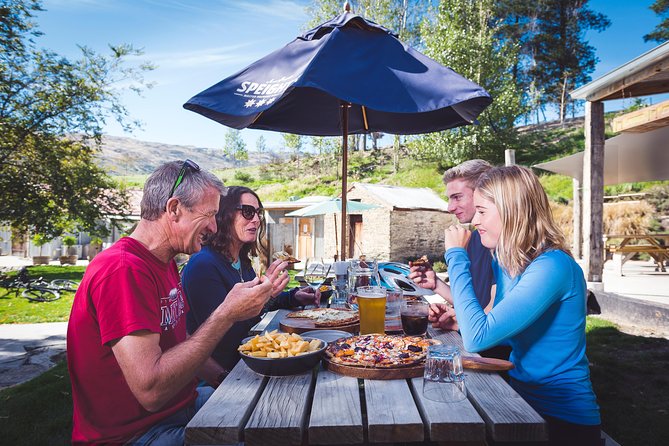
After Gibbston Valley Winery, you’ll reach Kinross Winery, Cellar Door & Cottages, another 30-minute stop. This gives you a second “baseline” winery option so you’re not guessing what the next stops will feel like.
Kinross is a classic cellar-door style stop—wine tastings and a restaurant—so it can work whether you want a quick flight or a slower break before you keep riding.
If you’re doing a day where you want to taste broadly, this is one of the places you can use to compare styles from the region. If you’re trying to keep it lighter, you can treat it as a quick sampling stop and move on.
Stop 5: The Church Cellar Door and Cafe—1894 building, relocated vibe
One of the most charming stops is The Church Cellar Door and Cafe. It was built in Wangaloa in 1894 and relocated to Gibbston in the early 2000s.
Instead of hymns and sermons, you’re basically swapping the old purpose for wine tastings and a laid-back cafe stop. It’s a great place to slow down, especially if you enjoy atmosphere and not just the liquid.
Timing note: you’ll have about 30 minutes at this stop. In places like this, you’ll often want a few extra minutes for photos and taking in the room—so keep an eye on the clock if you want to hit multiple wineries after.
Stop 6: Mt Rosa Wines for a friendly end-of-route taste
The last anchor winery stop listed is Mt Rosa Wines, again with about 30 minutes. This is described as a setting with good hospitality and delicious tastings, which makes it a strong candidate for your “finish strong” moment.
By the time you reach Mt Rosa, you’ll know which styles you liked earlier. Use that to decide whether to taste deeply here or just sample and save your interest for later wineries along the route.
If you’re trying to make your day feel efficient, this is where you can avoid the all-day fatigue loop. Taste, decide, and then keep moving—without turning the day into a long shuffle.
How the wine map works when there’s no guide biking with you
This is a self-guided format. A guide does not bike with you, so you’re relying on the custom trail and winery map plus the defined route. The upside is you control your schedule, and you don’t have to follow someone else’s group timing.
The downside is you need to stay aware. You’ll want to read the map before you start each segment and keep track of which winery choices are easiest to reach from your current spot. If you’re the kind of traveler who hates uncertainty, this might take a bit of getting used to—but you’re not left totally alone.
There’s phone support for mechanical or navigation issues. That’s a comfort factor for a self-guided day. If your bike has a problem or you’re unsure about direction, there’s help one phone call away.
Why e-bikes keep popping up for this route
There’s a clear theme in how people talk about this tour: the route is scenic, but the day can feel intense on a regular bike—especially if you plan to do multiple tastings and linger at each winery.
If you’re deciding between a pedal bike and an e-bike, I’d consider it carefully based on your fitness and your wine ambitions. The cycling is set on easy trails, but your energy still matters because you’ll also want time for taste stops, photos, and the little detours that happen when views are this good.
If you want the easiest day possible—more winery time, less leg burn—an e-bike is a smart way to keep the whole tour fun.
Time management: how the day tends to feel
The structure is built around several timed anchor stops, but the overall pace is still yours. The day runs about 6 hours 30 minutes total (approx.), which is long enough to do a handful of tastings without rushing.
One subtle reality of self-guided wine days: the biking portion often happens earlier, and the wine stops fill in as you go. That can be great, because it helps you work up an appetite and momentum, then shift gears into tasting mode.
Just don’t wait until you’re exhausted to decide what you’re tasting. If you’re tired halfway, you’ll taste less and enjoy less.
What’s included—and why the price makes sense
At $68.26 per person, you’re not just paying for a bike ride. You’re paying for a full day that includes:
- Bicycle and helmet
- Transfers to and from the bike trail from Queenstown
- A custom trail and winery map
- Phone support for mechanical or navigation issues
Food, drinks, and wine tastings are not included. That part is typical for wine-country experiences, but it’s worth saying plainly so you can plan your budget. If you want tastings at several wineries, expect it to cost extra on site.
So is it good value? For the level of organization (bike + helmet + transfers + map + support) plus the fact you get multiple winery options, it’s often one of the more cost-effective ways to do Gibbston without renting a car and paying for multiple shuttles.
Also, the group size is kept small (maximum 8 per booking, with a maximum 11 travelers for the activity). Smaller groups usually feel less crowded at pickup points and help the day stay calm.
Who this tour suits best in Queenstown
This tour is a strong fit if you want:
- A scenic outdoors day that still includes real wine-country stops
- Flexibility to spend longer at the wineries you enjoy
- An experience that doesn’t require a whole-day commitment inside a bus
It’s also a good match if you like structure without strict pacing. You’ll have anchor stops with set time windows, but you can still choose how much time to spend at the wineries along the way.
It might be less ideal if you:
- Want a guided, commentary-heavy experience
- Dislike self-navigation or reading maps on the move
- Plan to do lots of alcohol tastings and expect the riding to feel effortless
Little practical tips that make the day smoother
- Bring an ID: the minimum drinking age is 18, and ID is recommended.
- Pack for comfort: you’ll be riding and stopping, so wear gear that works for sun and short walks.
- Don’t overbook tastings: choose a few wineries you care about and treat the rest as optional add-ons.
- If you’re unsure about exertion, prioritize the bike choice. Saving your legs makes the wine stops more enjoyable.
And finally, remember the appeal here is choice. If you walk into a tasting room and it clicks, stay. If it doesn’t, move on. That’s the point of the map-driven format.
Should you book Bike The Wineries (3/4 Day) in Queenstown?
I’d book it if you want a fun, scenic wine-country day that trades bus schedules for personal pacing. The big selling points are the easy trail route, the chance to cross the Kawarau Suspension Bridge, and the way the map lets you pick your wineries instead of getting dragged through a preset list.
I would hesitate if cycling is a dealbreaker for you, or if you need a guide right next to you to handle directions and timing. This one is self-guided—still supported by phone help, but you’re the driver of your own schedule.
If the idea of 17 km of relaxed riding paired with tasting time appeals, this is a very solid Queenstown-to-Gibbston experience for the price.
FAQ
How long is the Bike The Wineries experience?
It runs for about 6 hours 30 minutes (approx.).
How far do you ride on this tour?
You ride about 11 miles (17 kilometers) along easy rural bike trails.
What’s included in the price?
The tour includes a bicycle and helmet, transfers to and from the bike trail from Queenstown, a custom trail and winery map, and support by phone for mechanical or navigation issues.
Is there a guide biking with you?
No. It’s a self-guided ride, so a guide does not bike with you.
Does the tour include wine tastings and food?
No. Food and drinks and wine tastings are not included.
Where does the tour start and end?
It starts at 3 Searle Lane, Queenstown 9300, New Zealand, and ends back at the meeting point.
Is wine tasting allowed for minors?
The minimum drinking age is 18. The tour recommends bringing ID.