REVIEW · QUEENSTOWN
Queenstown: Walter Peak Garden to Table Experience
Book on GetYourGuide →Operated by RealNZ · Bookable on GetYourGuide
Three hours that turns Lake views into action. You’ll cruise aboard the TSS Earnslaw, plant a native tree or shrub, and then eat generous garden platters made from fresh local produce. One catch: the day runs on a set timeline and drinks aren’t included, so plan a little extra.
What makes this experience feel worth it is the simple idea of garden-to-plate—Restaurant Garden first, lunch second, conservation lesson all the way through.
In This Review
- Key highlights worth your time
- TSS Earnslaw on Lake Whakatipu: the part that makes Queenstown feel old-school
- A practical tip
- Walter Peak High Country Farm: Restaurant Garden + colonial calm
- What to watch for
- Planting natives: reforestation work you can feel in your hands
- Who will enjoy this most
- Possible drawback to consider
- Lunch that actually follows the garden: platters, bread, and fresh produce
- Small comfort detail worth knowing
- Guided tour energy: rural hosts, horticulture talk, and clear explanations
- Best way to get more out of the tour
- Timing, weather, and what you should bring
- Price and logistics: does $92 actually buy value here?
- What’s not included
- Where this fits (and where it might not)
- Should you book the Walter Peak Garden to Table experience?
- FAQ
- Where does the tour start?
- How long is the experience?
- What boat does the cruise use?
- What’s included in the ticket price?
- Are drinks included with lunch?
- Do I get to plant a native tree or shrub?
- What will I do at Walter Peak?
- What language is the guide in?
- What should I bring?
- Can I cancel, and what’s the booking flexibility?
Key highlights worth your time
- A vintage 1912 Steamship cruise across Lake Whakatipu on TSS Earnslaw
- Hands-on reforestation by planting a native tree or shrub from the nursery
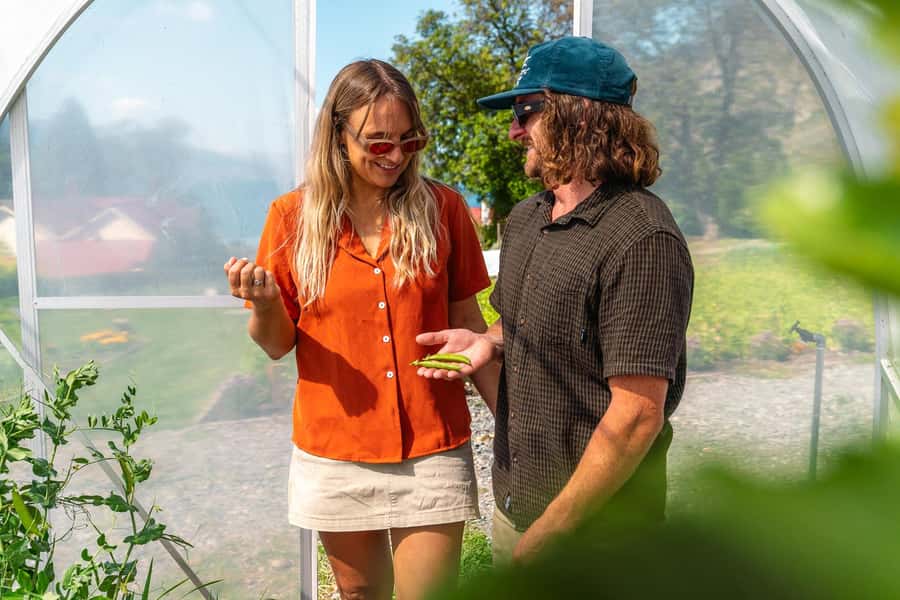
- Restaurant Garden tour with native plants and garden beds you can actually see
- Garden platters and home-baked breads using ingredients grown during your visit
- Clear conservation context about wilding pines and how natives bring back bird life
- A local rural host and horticulturist guide who keep the pace friendly and practical
TSS Earnslaw on Lake Whakatipu: the part that makes Queenstown feel old-school
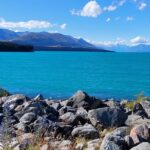
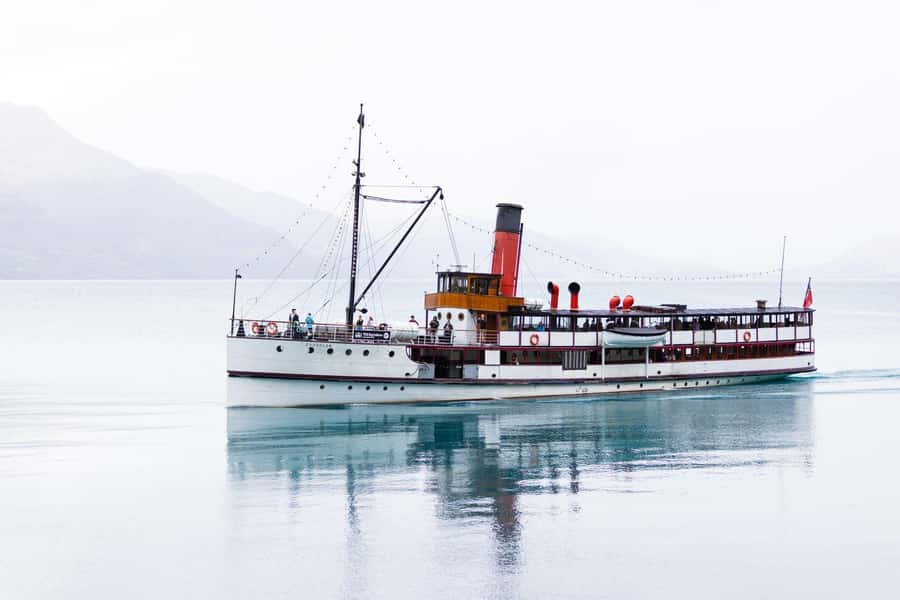
The day starts with water. Not a quick ferry hop, but a proper cruise across Lake Whakatipu aboard the TSS Earnslaw, a century-old coal-fired steamship that’s been part of Queenstown’s identity for a long time. If you’ve been picturing the area as more than scenic viewpoints, this is the reset button: you slow down, settle in, and let the lake do the talking.
You’ll spend about 45 minutes each way on the boat, which is just enough time to enjoy the views without feeling trapped. And there’s a fun working-ship feel here. In fact, you can sometimes get a look at the engine area and watch crew activity as they keep things running—one of those details that makes a tourist trip feel more real.
You can also read our reviews of more tours and experiences in Queenstown.
A practical tip
Bring your camera early. Light on the lake shifts fast, and the boat ride gives you a natural “moving photo” window without having to hunt for viewpoints.
Walter Peak High Country Farm: Restaurant Garden + colonial calm
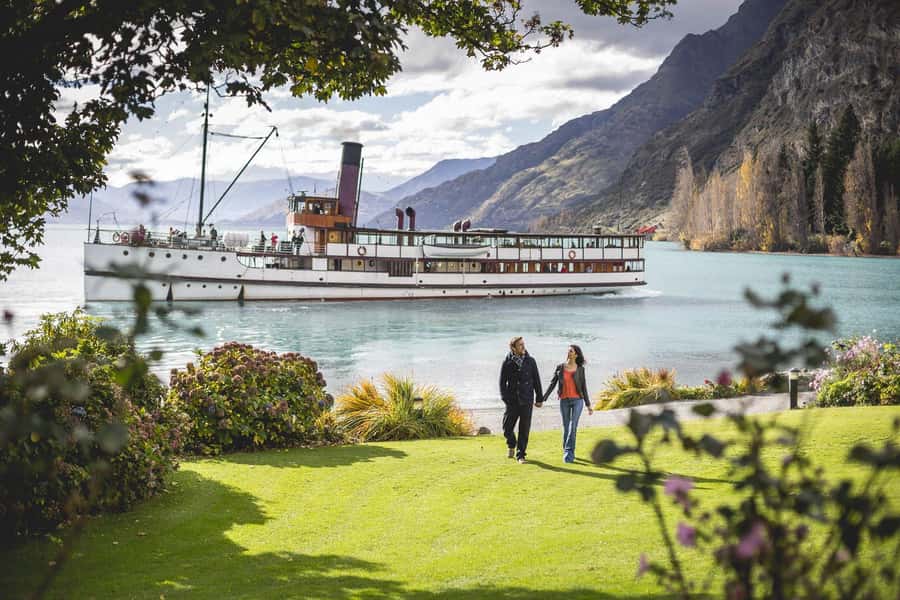
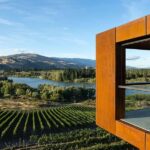
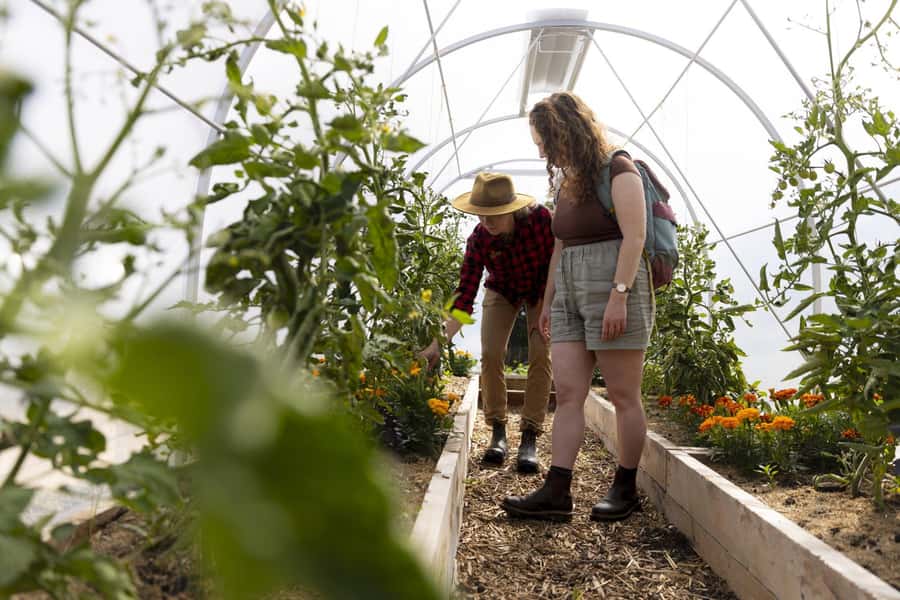
Once you land at Walter Peak, the vibe changes from lake sightseeing to farm life. You’re greeted by a rural host, then guided into the Restaurant Garden—a setting designed for you to see native plants and growing areas up close, not just pass by on a path.
This is where the experience starts earning its name. You’re shown the nursery and the plantings, and you get a feel for how the site is set up to connect nature with food. It also helps that the place has that classic lakeside-farm atmosphere: a colonial homestead feel plus gardens built for visitors and for growing.
You’ll also get the chance to sample produce straight from the beds and orchard—simple, fresh tastes that make the later lunch feel more grounded. It’s one thing to hear about local ingredients. It’s another to taste something that’s literally in season here.
What to watch for
During the garden portion, pay attention to how the guides frame the native plants. They’re not treating them as decorative. They’re explaining why these plants matter for habitat and wildlife recovery, and that theme keeps showing up later.
Planting natives: reforestation work you can feel in your hands
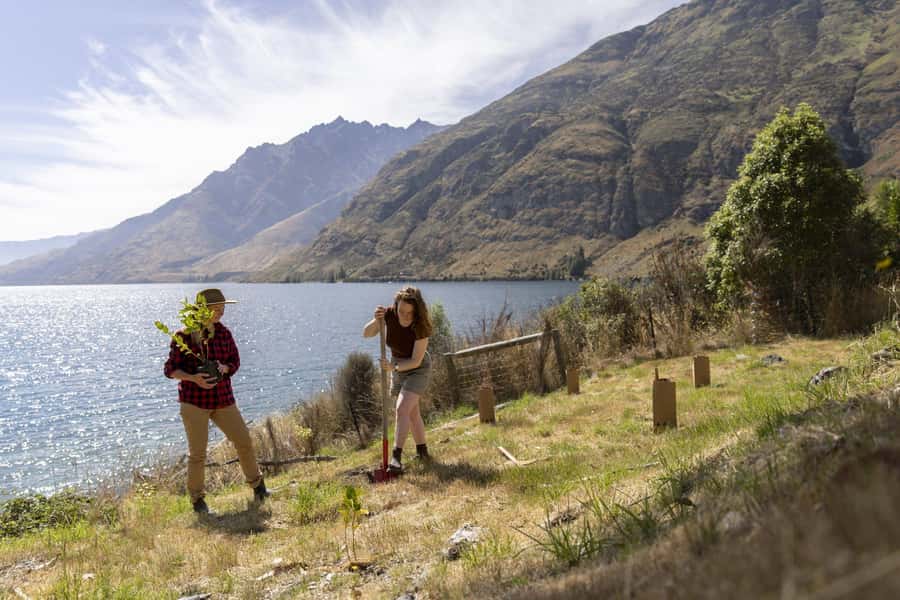
The most memorable part is the hands-on planting. You’re given a native tree or shrub to plant as part of the land restoration project. This isn’t just a symbolic photo stop. You’re put into the role of contributor, and you learn the “why” behind the effort.
Here’s the conservation story you’ll be taught on site:
- Wilding pines are removed, because they crowd out native ecosystems.
- Planting natives helps bring back bird life.
- More native growth supports habitats and helps create natural vistas again over time.
That last bit matters. A lot of environmental activities stop at facts. This one links restoration to what you’ll actually see on the land—healthier plant communities, more wildlife presence, and a scenery shift from planted recovery rather than planted ornament.

Who will enjoy this most
If you like doing something physical but not strenuous, this hits a sweet spot. You’re not stuck hauling gear or doing heavy labor. You’re doing the key action—planting—while the guide handles the context.
Possible drawback to consider
If you’re expecting a long, detailed ecology lecture, you might find the content is more practical than academic. The focus is hands-on and garden-based, not a classroom deep-dive.
Lunch that actually follows the garden: platters, bread, and fresh produce
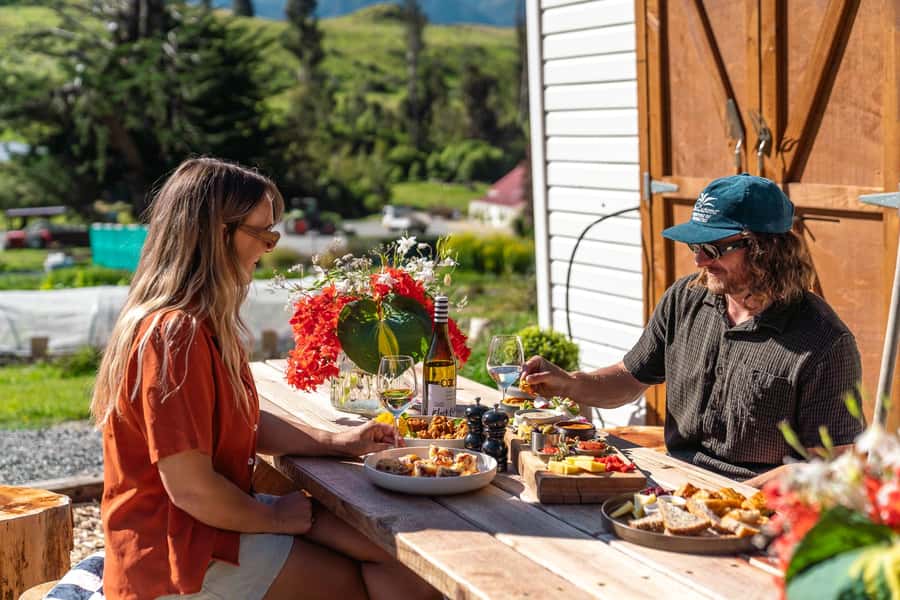
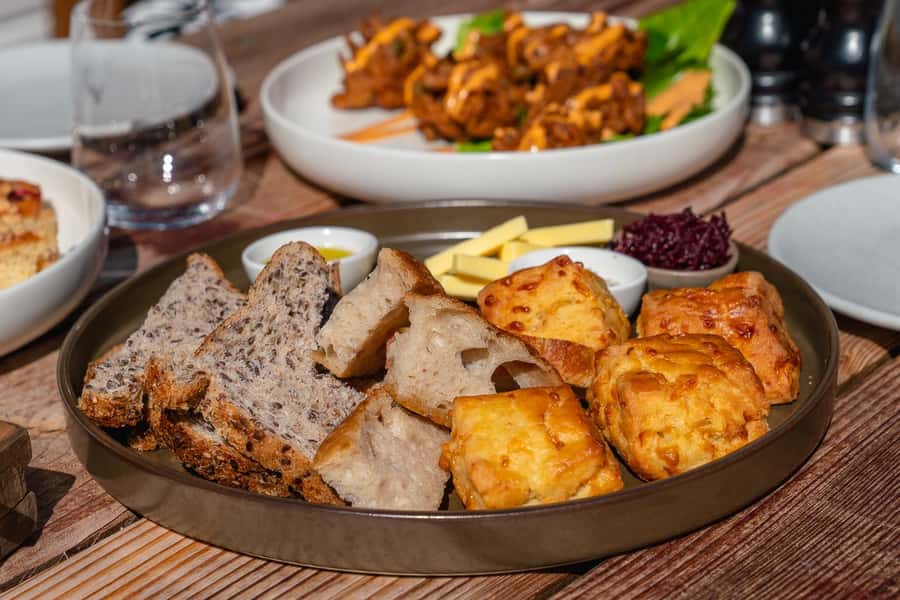
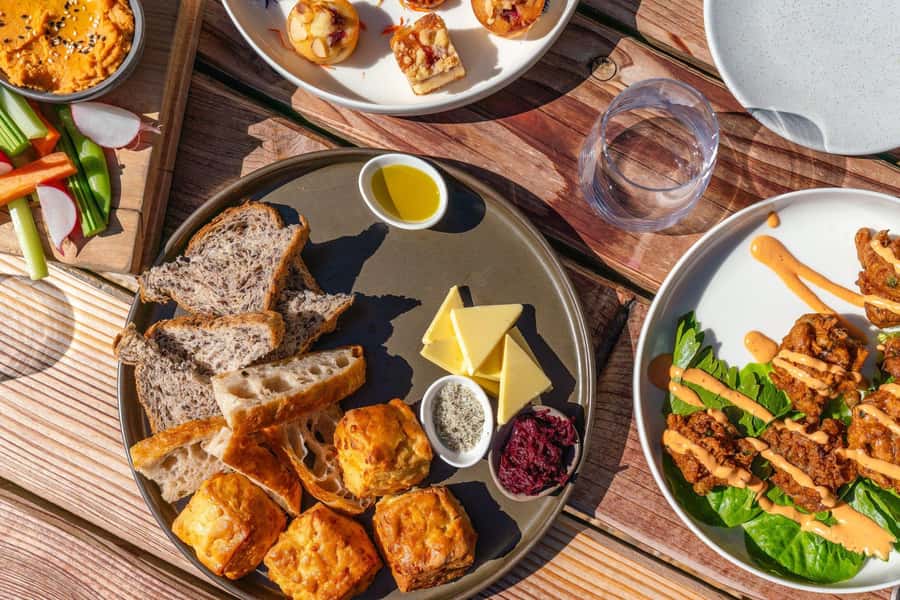
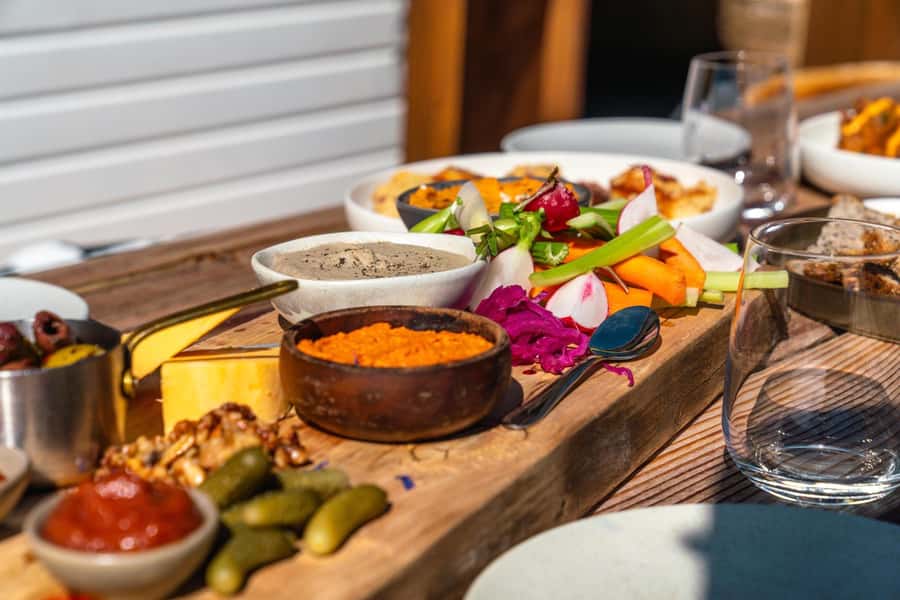
After the planting, you’ll settle in for lunch with generous garden platters and home-baked breads. The best part is that lunch feels like the conclusion of the earlier steps, not a random restaurant meal.
You’re eating local produce from the kitchen garden—ingredients that were harvested during your visit. That timing is the whole point. The food becomes proof of the system you just toured: grow, harvest, prepare, serve.
Food is also a big part of why the price can make sense. At $92 per person for a 210-minute experience, you’re paying for more than a meal. You’re paying for:
- a round-trip steamship cruise,
- guided garden and conservation time,
- the native tree or shrub you plant,
- and lunch built around garden produce.
Drinks are extra, so if you like wine or beer with lunch, factor that in. But if you’re the type who prefers water or skipping alcohol, this keeps value simple.
Small comfort detail worth knowing
Lunch is timed into the day so you’re not rushed between activities. That farm pause helps, especially if the weather is changeable.
Guided tour energy: rural hosts, horticulture talk, and clear explanations
You’ll have a live guide—specifically a rural host and horticulturist—so the information lands in a grounded way. This is the kind of tour where people often remember the explanations, not just the scenery.
One guide name you may run into is Surjane (spelling may vary slightly). When she’s leading, the tone tends to be friendly and easy to follow, which is perfect for making native plant and wildlife concepts stick without getting technical.
The guidance also helps you connect the dots between what you see in the garden and what you’re doing with the planting. When the guide talks about native ecosystems, it’s not abstract. It’s tied to the work happening right there.
Best way to get more out of the tour
Ask one question during the garden walk—something like what native birds or habitat changes the team is aiming for. The guide’s conservation explanation is most useful when you prompt it with your curiosity.
Timing, weather, and what you should bring
This is a compact day: you start at the RealNZ Queenstown Visitor Centre area, then cruise, visit the farm, plant, tour, and return—about 210 minutes total. Because it’s fixed, you’ll want to arrive ready to go and not treat it like a flexible half-day stroll.
Weather is a real consideration around Queenstown and the lake. One departure can feel sunny and perfect; another can be rainy or windy. If it’s unsettled, you’ll still do the key activities, but you’ll want to be comfortable moving between boat and garden.
Bring:
- Camera
- Sunscreen
- Personal medication
If you run cold easily, it’s worth wearing layers. A lake breeze on a steamship can surprise you even when Queenstown looks mild.
Price and logistics: does $92 actually buy value here?
At $92 per person, you’re paying for a full “experience package,” not a simple lunch stop. The value comes from the combo: the steamship ride, the guided garden visit, the planting component, and lunch based on what the garden grows.
Also, the day gives you multiple types of engagement:
- Visual (lake cruise views, garden planting areas),
- tactile (planting a native tree or shrub),
- tasting (fresh produce and home-baked bread),
- mental (conservation context about wilding pines and native recovery).
If you compare this to doing separate activities on your own—boat sightseeing, a guided farm visit, and a garden meal—this format is often cheaper than piecing it all together. It’s one ticket, one schedule, and the garden-to-plate story is built in.
What’s not included
Drinks are not included. If alcohol matters to your travel style, budget accordingly.
Where this fits (and where it might not)
This tour is a great match if you:
- want Queenstown that feels more local and less just photo spots,
- enjoy garden and nature learning that stays practical,
- like the idea of contributing to reforestation without signing up for a hard-work volunteer day,
- want a relaxing, well-timed half-day meal-and-views plan.
It might be less ideal if you:
- want long free time to wander independently (the day runs on a set flow),
- dislike guided activities (this is definitely guided),
- need a very flexible schedule that changes with weather (the experience is structured around boat and farm timing).
Should you book the Walter Peak Garden to Table experience?
If you like your activities to have a clear purpose, not just scenery, I’d book this. The best part is how the day connects in a straight line: steamship cruise → Restaurant Garden tour → planting natives → lunch from the garden. That garden-to-plate sequence makes the whole thing feel cohesive, and the reforestation work adds meaning.
I’d particularly recommend it if you’re visiting Queenstown and want one experience that gives you the outdoors, the food, and a real conservation story in one go. Just plan for weather on the lake, arrive with a camera and sunscreen, and remember drinks cost extra.
FAQ
Where does the tour start?
You meet at the TSS Earnslaw alongside the wharf. You can also meet the team at the RealNZ Visitor Centre, 88 Beach Street, which is about a 1-minute walk to the TSS.
How long is the experience?
The total duration is about 210 minutes.
What boat does the cruise use?
The cruise runs on the TSS Earnslaw, described as a 1912 Steamship.
What’s included in the ticket price?
It includes the round-trip cruise to Walter Peak, a tree or shrub to plant, lunch with generous garden platters, and a local rural host and horticulturist guide.
Are drinks included with lunch?
No. Drinks can be purchased during the experience.
Do I get to plant a native tree or shrub?
Yes. You’ll have the opportunity to plant a native tree or shrub from the nursery as part of the restoration project.
What will I do at Walter Peak?
You’ll tour the Restaurant Garden, sample produce from the garden and orchard, plant a native tree or shrub, then enjoy lunch and a guided tour.
What language is the guide in?
The tour guide is English.
What should I bring?
Bring a camera, sunscreen, and any personal medication you need.
Can I cancel, and what’s the booking flexibility?
There’s free cancellation up to 24 hours in advance for a full refund, and you can reserve now & pay later.