REVIEW · QUEENSTOWN
Glenorchy Island Safari departing Queenstown
Book on Viator →Operated by Rippled Earth Ltd · Bookable on Viator
Pigeon Island is off-limits to most people. This Glenorchy Island Safari takes you on a kayaking route to a protected wildlife sanctuary on Pigeon Island, tucked in the Southern Alps beyond the usual crowds. You get a rare mix of serious scenery and an easy, low-key paddle across Lake Wakatipu.
I especially like two things: the thorough safety and equipment briefing, and the way the trip feels manageable even if you’ve never kayaked before. The group is led by Marcus, who keeps the experience organized and helps you get comfortable fast, which shows up in how smoothly the whole outing runs.
One possible drawback: you do need a moderate fitness level, and the tour isn’t suitable for children under 8 or for anyone who can’t speak English.
In This Review
- Key things worth knowing
- Why Pigeon Island feels special on Lake Wakatipu
- From Queenstown to the launch point: the ride and timing
- The safety briefing that makes the kayaking feel easy
- Paddling across Lake Wakatipu to Pigeon Island
- The bird sanctuary stop: tea, short walk, and flightless birds
- The return paddle and the glacier-backed views
- Mount Aspiring National Park stop: why it’s more than a drive-by
- Who this Glenorchy Island Safari suits best
- Value and pricing: is $114.81 per person fair?
- Should you book this tour?
- FAQ
- How long is the kayaking tour?
- How much does the Glenorchy Island Safari cost?
- Where does the tour start in Queenstown?
- Is this a private tour?
- Do I need to be able to speak English?
- What fitness level is required?
- Is it suitable for children?
- What if the weather is bad?
- Can I cancel for a full refund?
Key things worth knowing
- Pigeon Island access is the big draw: you reach it by kayak, not by public foot access.
- A proper safety briefing first on a secluded beach helps you feel settled before you launch.
- Tea and a short walk are built in, with chances to spot flightless birds.
- Wakatipu paddling is the core experience, including wild shorelines on the return trip.
- Private touring means it’s only your group, not a big mixed crowd.
Why Pigeon Island feels special on Lake Wakatipu
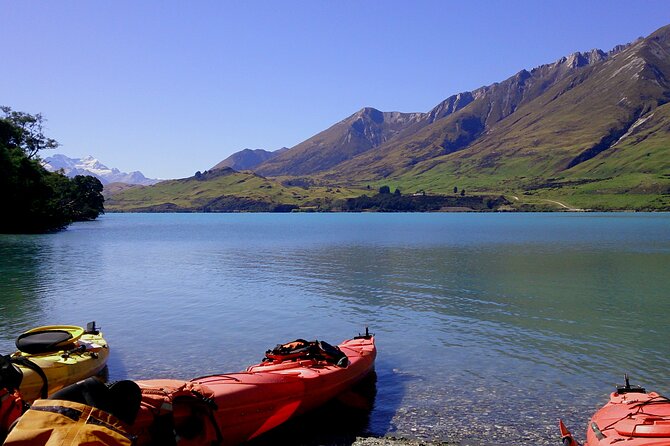
Most Lake Wakatipu sightseeing is about looking from land. This tour swaps that for real access to a place most people can’t reach without a kayak: Pigeon Island, a bird sanctuary in the heart of the Southern Alps.
That access changes the vibe. Instead of standing on a viewpoint while other people stream past, you’re moving slowly across water toward a protected island. It feels quieter, more personal, and more like you’re working with the landscape instead of just watching it.
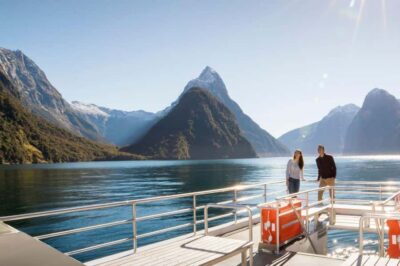
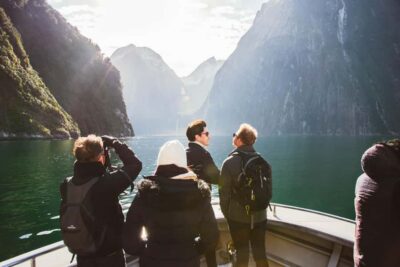
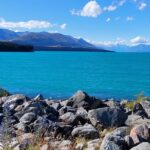
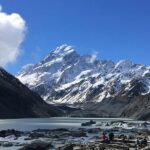
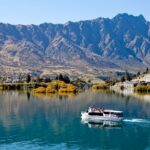
And the setting does the heavy lifting. You’re kayaking with mountains close by, and when you head back you’re still following shoreline stretches overlooked by glaciers and steep peaks crowding the horizon.
You can also read our reviews of more tours and experiences in Queenstown
From Queenstown to the launch point: the ride and timing
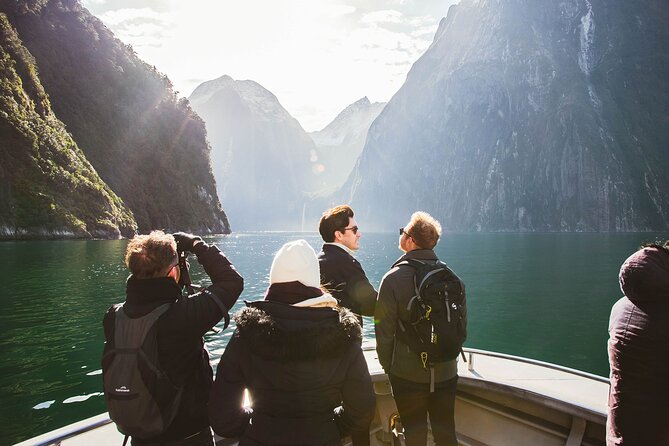
The tour departs from 43 Camp Street, Queenstown 9300, and loops back to the same meeting point. You should plan on about 2 hours 30 minutes on the water-plus-activity side (approx.), not counting any extra buffer in real life.
One reason I like this format is that it lets you get scenery without turning the day into a driving marathon. The ride out gives you a chance to see more of Queenstown’s broader views on the way to the Glenorchy area, so the day doesn’t start the moment you hit the beach.
Because it’s private, your timing tends to feel smoother too. You’re not squeezed into a tightly staggered departure with strangers, and the guide can keep everyone together through the briefing and launch.
The safety briefing that makes the kayaking feel easy
This trip begins with a full safety and equipment briefing on a secluded beach. That’s not a throwaway part of the day. It matters because it sets expectations for how the kayak works, how to handle paddling, and what to do if conditions feel different once you’re out on the lake.
I like that the instructions come before you’re on the water. It means you can ask questions right away instead of figuring things out while your arms are already learning the new rhythm. One review highlight noted how the kayaking was easy to pick up, which usually comes from a clear, patient first step like this.
You’ll also want a moderate fitness level. This isn’t an extreme workout, but it is real paddling time plus a short walk on the island.
Paddling across Lake Wakatipu to Pigeon Island
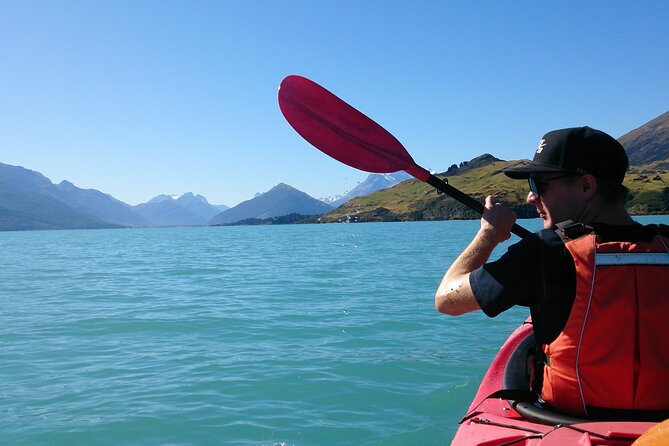
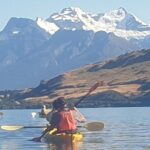
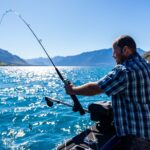
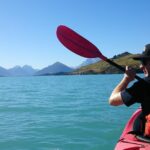
Once you launch, you kayak across Lake Wakatipu to Pigeon Island. This is where the tour earns its name. The crossing isn’t just a transfer. It’s the experience—slow, steady movement with big scenery, and the satisfaction of getting somewhere very specific under your own power.
As you head toward the island, keep your eyes open for how the shoreline changes. The description talks about wild shorelines overlooked by glaciers on the return, and you can feel that shift in the way the water sits against the rock and mountain base.
If you’ve only done calm paddles before, you’ll still likely find it straightforward. The key is to listen to the briefing, keep your strokes steady, and don’t overthink it. The goal is a comfortable rhythm, not a sprint.
The bird sanctuary stop: tea, short walk, and flightless birds
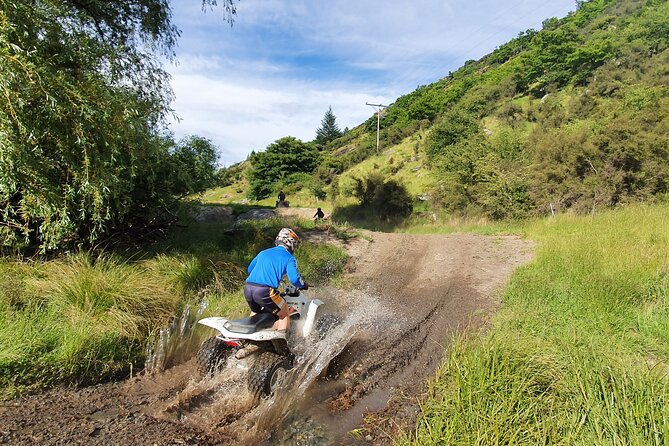
Reaching the island is only half the story. The tour includes a stop on the beach for tea (morning or afternoon, depending on your timing) and a short walk.
This is where Pigeon Island’s purpose becomes obvious. It’s a bird sanctuary, and the island is home to flightless birds. One of the most praised moments is getting close to wekas, which are known for their curiosity in the right setting. You’re not guaranteed wildlife sightings, but the walk is the best window you’ll have for spotting birds that live there year-round.
A practical tip: move slowly on the walk and keep your voice down. If birds are comfortable, they’ll come closer. If you stomp around, they’ll act like it’s time to retreat.
Also, bring a mindset for short walking time. It’s not presented as a long hike. It’s more about getting onto the island’s foot route, taking in the views, and seeing what’s out there—without turning the outing into a full-day trek.
The return paddle and the glacier-backed views
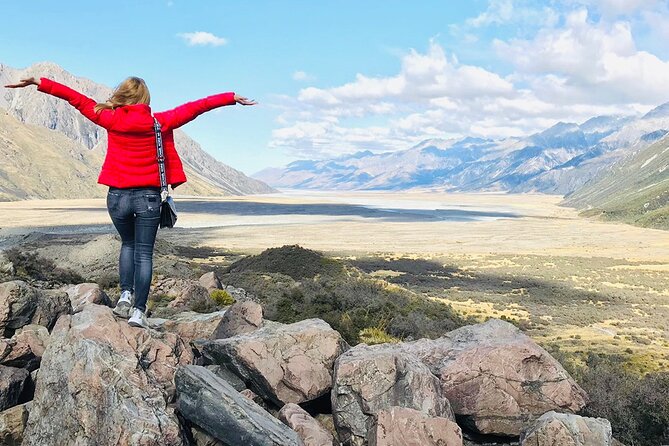
After the island stop, you paddle back along the wild shorelines. The route is described as being overlooked by glaciers crowding the mountain peaks, and that’s exactly the feeling you want on this kind of trip: dramatic terrain framing the water, not another line of people on a deck somewhere.
On the return, you’ll likely be in a better rhythm than you were at launch. That’s when many people relax into the scenery and stop thinking about technique and start thinking about the day.
If you’re someone who likes photos, this is also where you can get the most satisfying framing—because you’re not only looking up at mountains. You’re also moving along their base, with water in the foreground.
Mount Aspiring National Park stop: why it’s more than a drive-by
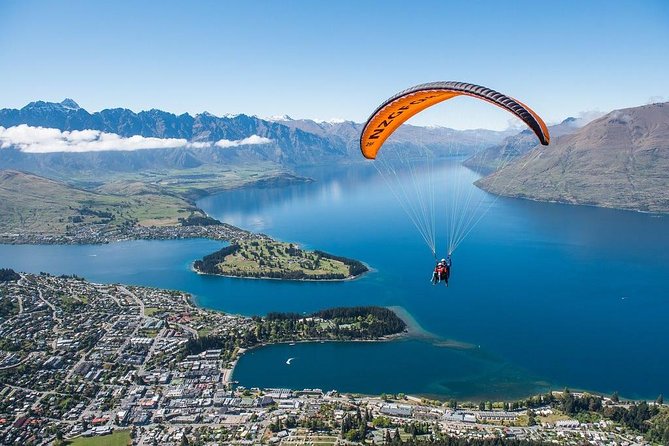
The experience includes a stop at Mount Aspiring National Park. Even though the main activity is kayaking, this matters because it connects the dots: you’re in an environment where mountain scenery is the point, and the park stop helps set the context for what you’re seeing around Lake Wakatipu.
In a trip like this, context is underrated. When you understand that you’re moving through a protected, glacier-influenced mountain region, the scenery feels less random. It turns into something coherent: cold-weather geography, steep terrain, and islands that became safe havens for birdlife.
If you’re choosing this tour for the “see more than just town viewpoints” factor, this park stop helps deliver that.
Who this Glenorchy Island Safari suits best
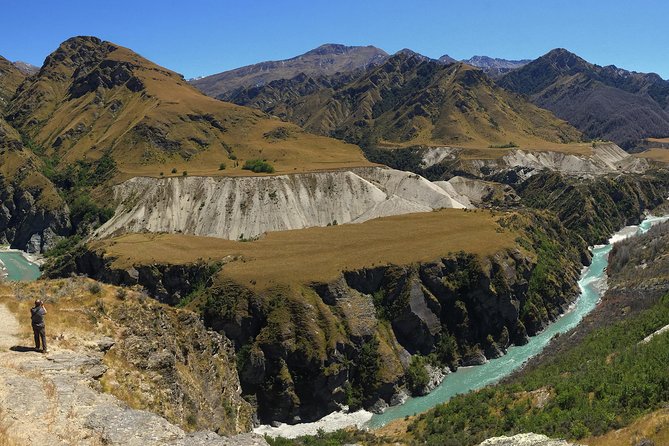
This tour is a strong match if you want a wildlife-focused paddle with a clear structure: briefing first, water second, island wildlife third, then a return that still keeps the scenery in front of you.
It’s also well suited for people who:
- like low-key, organized outdoor activities
- want something more active than a bus tour but not a hardcore expedition
- enjoy nature without having to hike all day
- prefer the quieter feel of a private group
It may not be the best fit if you:
- can’t manage moderate physical effort (paddling plus a short walk)
- need a fully child-friendly option (it’s not suitable under age 8)
- can’t participate in English-guided instructions
Value and pricing: is $114.81 per person fair?
At $114.81 per person for about 2.5 hours, the value comes down to what you’re actually getting: private touring, professional safety briefing, guided kayaking to a protected island, and a structured stop with tea plus a short walk.
You’re paying for access. Pigeon Island is described as not available through general public access unless you have your own kayak. That single factor—being guided to a place that’s otherwise difficult to reach—usually justifies the price better than a standard sightseeing activity.
If you’re comparing this to day tours that mainly drive and stop at viewpoints, this tends to feel more “earned.” You’re not just seeing the region; you’re engaging it directly, and that typically makes the cost feel more reasonable.
Should you book this tour?
I’d book it if you want a practical, organized kayaking day that still feels adventurous because it reaches Pigeon Island’s bird sanctuary. The strongest selling points are the way the safety briefing sets you up, the organized flow, and the chance to see flightless birds like wekas up close—without fighting crowds for time at a viewpoint.
I’d skip it if you’re looking for a totally effortless outing, if you’re traveling with children under 8, or if you’d struggle with English-based instructions and moderate activity.
If your ideal Queenstown day includes water, wildlife, and big Southern Alps scenery with a calm pace, this Glenorchy Island Safari is one of the better ways to do it.
FAQ
How long is the kayaking tour?
It runs for about 2 hours 30 minutes (approx.).
How much does the Glenorchy Island Safari cost?
The price is $114.81 per person.
Where does the tour start in Queenstown?
The meeting point is 43 Camp Street, Queenstown 9300, New Zealand, and the activity ends back at the meeting point.
Is this a private tour?
Yes. It’s private, and only your group participates.
Do I need to be able to speak English?
Yes. All participants must be able to speak English.
What fitness level is required?
A moderate physical fitness level is recommended.
Is it suitable for children?
It’s not suitable for children under 8 years old.
What if the weather is bad?
The experience requires good weather. If it’s canceled due to poor weather, you’ll be offered a different date or a full refund.
Can I cancel for a full refund?
Free cancellation is available. You must cancel at least 24 hours in advance of the experience start time for a full refund.