REVIEW · QUEENSTOWN
Kiwi Park Queenstown Admission
Book on Viator →Operated by Kiwi Park Queenstown · Bookable on Viator
Kiwis feel close in the middle of town. Kiwi Birdlife Park gives you all-day access in central Queenstown, plus a complimentary audio tour that helps you explore at your own pace. I like that you get far more than one species—expect 20+ native bird species, a tuatara encounter, and keeper-led presentations. One thing to plan for: the kiwi viewing is intentionally dark, so you’ll need patience and an eye for movement.
This is also one of those rare stops where the schedule actually matters, because the park runs specific moments for kiwi viewing and shows. I like the mix of interactive elements (like the Conservation Show and nocturnal enclosures) with self-paced exhibits you can circle back to. A possible drawback is that some paths can be a bit steep in spots, so comfy shoes help.
In This Review
- Key Highlights You Should Know Before You Go
- Kiwi Birdlife Park in Central Queenstown: What You’re Really Paying For
- Getting Your Bearings: Location, Arrival Timing, and How Long It Takes
- Self-Paced With a Complimentary Audio Tour (So You Can Move at Kiwi Speed)
- New Zealand Conservation Show: Birds Fly Free in Netting
- Kiwi Encounters: Night-Vision Kiwi Viewing Without the Wild Guesswork
- Tuatara Encounter and Native Bird Exhibits: More Than Just the Headline Act
- Forest Walks, Trout-Filled Streams, and Kiwi Conservation in Plain English
- Practical Tips for Making the Most of Your All-Day Pass
- Should You Book Kiwi Park Admission in Queenstown?
- FAQ
- FAQ
- How long does Kiwi Park Queenstown admission take?
- Is the ticket valid for the whole day?
- What’s included with admission?
- Are there specific times for kiwi encounters?
- What times are the conservation shows?
- What else will I see besides kiwi?
- Where is Kiwi Park located?
- Is parking or hotel pickup included?
- What are the opening hours?
Key Highlights You Should Know Before You Go
- All-day admission lets you start with a show, then spread out kiwi viewing and bird exhibits without rushing
- Complimentary audio tour helps you get more from the park without needing a tour group
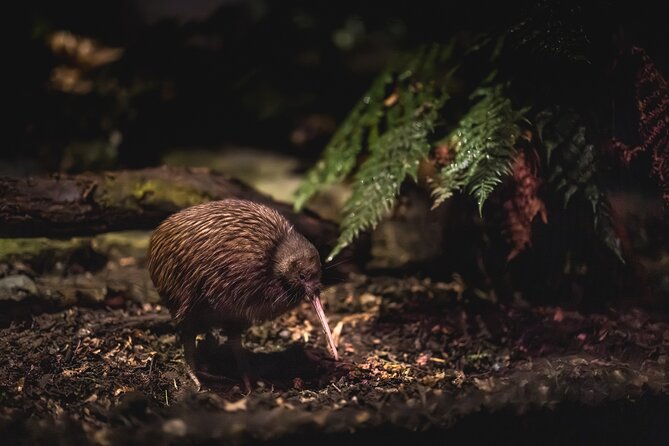
- Nocturnal kiwi enclosures are built for low-light viewing, so expect shadows and movement first
- New Zealand Conservation Show runs multiple times daily and includes birds flying free in netted space
- Tuatara Encounter gives you a chance to see a prehistoric-looking lizard up close
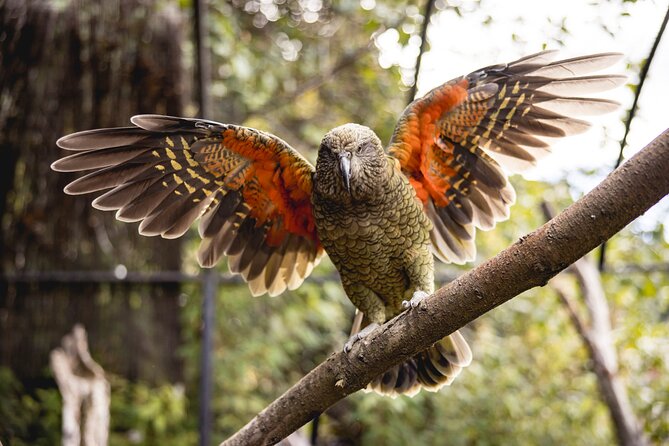
- More than kiwis: you’ll see birds like kea and other native species you’re unlikely to spot on your own
Kiwi Birdlife Park in Central Queenstown: What You’re Really Paying For
Kiwi Park Queenstown (Kiwi Birdlife Park) is priced at $39.72 per person, and the value comes from how much you can do inside one ticket. You’re not just buying a peek at kiwis. You’re paying for a compact, well-organized wildlife experience in the middle of Queenstown that works especially well when the weather turns.
Here’s what makes it feel worth the money: you get an audio guide included, multiple wildlife experiences, and a full day to move through the grounds. For many visitors, the kiwi enclosure is the headline, but the park also keeps you busy with native birds, a tuatara encounter, conservation education, and keeper presentations.
Also, the setting is practical. You’re in central Queenstown, so you can pair this with other activities without planning a full day of transport. It’s a good “reset day” option—cold rain hits, and you still have a structured place to go.
You can also read our reviews of more tours and experiences in Queenstown.


Getting Your Bearings: Location, Arrival Timing, and How Long It Takes
The park is open daily from 9:30 AM to 5:30 PM, and the experience typically takes about 2 to 3 hours if you focus on the key events and don’t linger too long. If you enjoy reading exhibit info, watching birds repeatedly, or taking photos in the calmer corners, plan closer to the upper end.
You’ll also want to arrive with at least a rough plan for timing, because the park runs scheduled moments:
- Kiwi Encounters happen at set times throughout the day
- Conservation Shows run a few times daily (season-dependent)
A simple strategy works well: start with a show when it’s offered, then use the rest of your time for exhibits and kiwi viewing. That way you’re not trapped waiting for one specific moment later.
One more practical note: wear comfortable walking shoes. The grounds are only about 5 acres (2 hectares), but some paths can feel steep in places. This is fine for most people, just don’t treat it like a flat stroll.
Self-Paced With a Complimentary Audio Tour (So You Can Move at Kiwi Speed)
Your ticket includes a complimentary audio guide, which is one of the best ways to get value out of a wildlife park like this. Instead of wandering with vague curiosity, you’ll learn what you’re looking at and why the park cares about conservation.
The audio tour is designed for self-paced exploration, which matters because kiwi viewing isn’t fast. The park’s nocturnal spaces are built for low light, and you’ll need time for your eyes to adjust. Having the audio in your ear helps you keep your attention on the right things while you wait for the wildlife to act naturally.
One practical perk: audio equipment is available in multiple languages, and one family found it helpful for kids who weren’t listening to English comfortably. That’s a small detail, but it can make a big difference for a mixed-age group.
New Zealand Conservation Show: Birds Fly Free in Netting
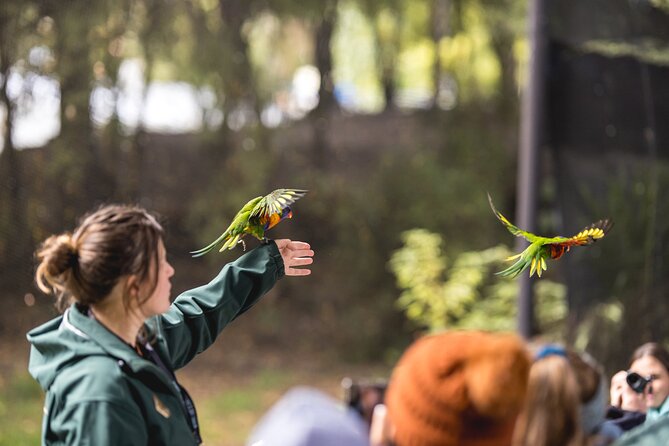
The New Zealand Conservation Show is the most “structured” part of the day. It’s held outdoors in an area enclosed in netting, and it’s scheduled 2 to 3 times daily depending on the season.
What I like about this show concept is that it gives you a safe, close-up look at behavior you’d rarely see in the wild. You’re watching native birds perform more naturally than you’d get from a static exhibit. It also sets the stage for the rest of the park, because it gives context on conservation efforts and the species you’ll later spot around the grounds.
You can expect to see birds like:
- kākāriki (a type of parakeet)
- kererū (a New Zealand pigeon)
And the show also features birds of prey and other native wildlife such as:
- pateke (a type of duck)
- buff weka (a flightless bird)
- Antipodes Island parakeets
Timing tip: if you want the smoothest flow, I’d plan to catch a show early in your visit. Then you can walk the exhibits while the information is fresh, rather than trying to remember it later.
Kiwi Encounters: Night-Vision Kiwi Viewing Without the Wild Guesswork
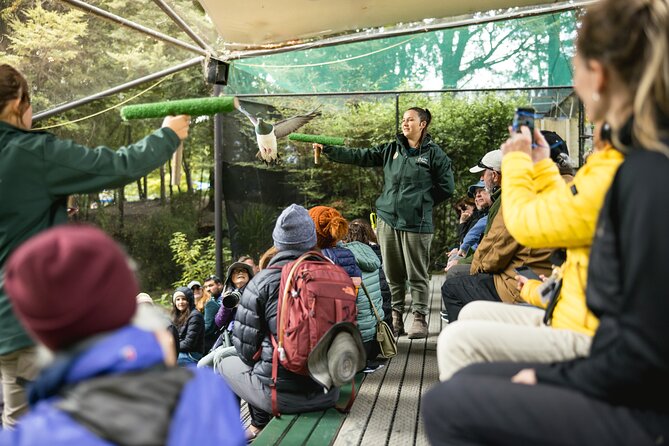
If your main mission is to see kiwi up close, this is where the park earns its reputation.
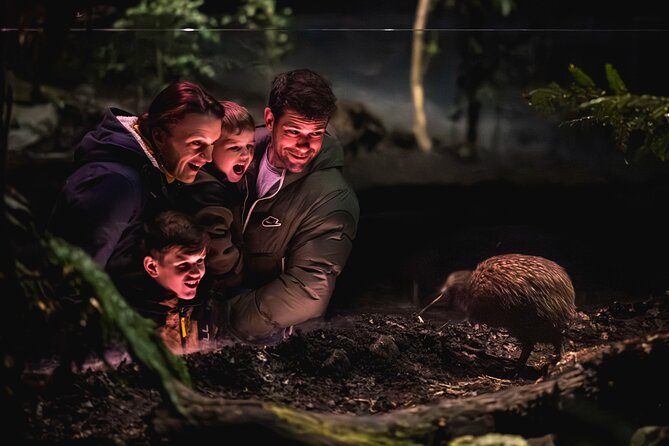
Kiwi viewing happens in specially designed nocturnal enclosures. The goal is simple: mimic a nighttime environment so kiwis act like kiwis, not like museum objects. That’s why it’s dark on purpose—and why some people are surprised at first.
Here’s the honest consideration: you may not see a kiwi instantly as a bright, obvious bird. Expect shadows, movement, and brief appearances while your eyes adjust. One review even noted that the darkness makes the kiwi look like an outline until you understand the nocturnal setup.
The park also runs kiwi “encounter” moments on a schedule. Approximate kiwi encounter times include:
- Oct–Apr: 10:00 AM, 11:00 AM, 12:15 PM, 1:00 PM, 2:15 PM, 3:00 PM, 4:15 PM, 5:00 PM
- May–Sep: 10:00 AM, 11:00 AM, 12:15 PM, 1:00 PM, 2:00 PM, 3:45 PM, 4:43 PM
In other words, you don’t need to wait until night. The park spaces out viewing so you can plan around your day.
A small extra for planning: in at least one visit described, access to the Kiwi House was managed with tokens for the first 50 guests. That suggests the kiwi space can fill up at peak times, so arriving a little early can help you avoid scrambling.
If you want maximum chances of seeing kiwi activity, I’d do two things: go during one of the earlier encounter sessions you can fit, and keep the conversation quiet while you’re inside—wild animals (even in controlled enclosures) respond to behavior and noise.






Tuatara Encounter and Native Bird Exhibits: More Than Just the Headline Act
After kiwis, the park keeps delivering native wildlife that’s hard to see elsewhere.
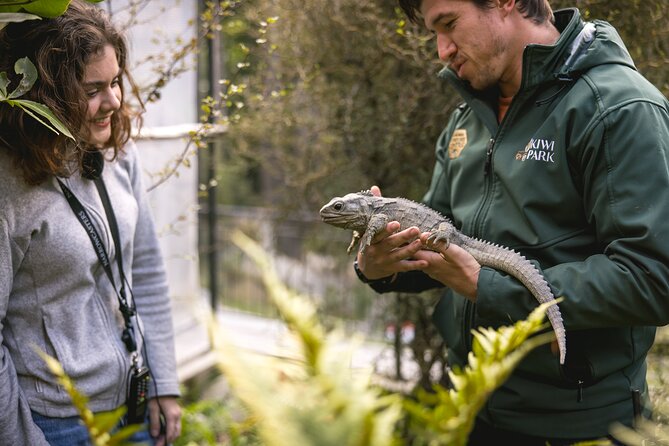
Start with the Tuatara Encounter. Tuatara are prehistoric-looking lizards, often described as living dinosaurs. Even if you’re not a reptile fanatic, it’s a memorable change of pace from birds and a great “wait, New Zealand has that too?” moment.
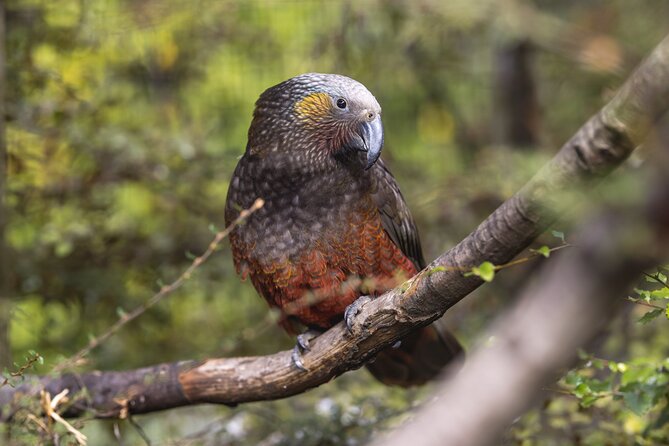
Then work your way through the bird exhibits. The park highlights more than just kiwi, and this is one of its smartest design choices. New Zealand’s birds are a whole separate world, and the park lets you see a concentrated sample in a short time.
You’ll have chances to spot and learn about species such as:
- kākāriki and kererū (also connected to the Conservation Show)
- keá (a favorite for many visitors, especially kids who like clever, curious birds)
- Antipodes Island parakeets
- plus birds of prey and additional native exhibits included around the grounds
One thing I’d do if you have kids: give them a simple job. Have them pick one bird to “watch for behavior,” not just for appearance. Then swap later. It keeps attention from drifting and turns the visit into something active.
Forest Walks, Trout-Filled Streams, and Kiwi Conservation in Plain English
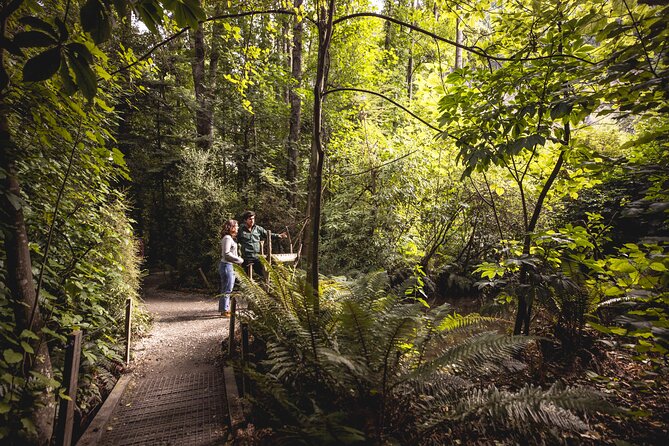
A big part of Kiwi Birdlife Park is education that doesn’t feel preachy. As you move through the grounds, you’ll encounter a forest walk with trout-filled streams and explanations of conservation work.
The park’s conservation theme centers on injured wildlife rehabilitation and kiwi breeding for future release back into the wild. That combination matters: it’s not only about protecting adults. It’s also about caring for young birds and supporting recovery over time.
You’ll also learn about kiwi behavior—especially how these flightless birds use underground burrows and prefer to sleep during daylight. That’s useful because it explains why your best chance is when the enclosure is set up for nocturnal conditions, not when you’re expecting daytime behavior.
In plain terms: the education makes the wildlife viewing make sense. Without it, the kiwi experience can feel slow or frustrating. With it, the same slow moments turn into understanding.
Practical Tips for Making the Most of Your All-Day Pass
Your admission is valid for the entire day, which is a huge advantage in Queenstown. You can start at a show time, then take your time with exhibits and loop back if you want better photos or you missed something earlier.
Here are my practical tips for a smooth visit:
- Pick one show and one kiwi encounter as your anchor, then fill the rest around them
- Give your eyes time in the kiwi enclosure; don’t assume the bird will appear on cue
- Bring patience. Kiwi viewing isn’t like watching a daytime bird feeder
- Plan for weather: this is an ideal cold-day or rainy-day activity in central Queenstown
- Use the audio guide like a map for your attention, not just background noise
- Wear sun protection even indoors and shaded areas, since you’ll be outside for shows and walking paths
- Don’t ignore the small extras: the park has a café and even honey tasting noted as a nice bonus by visitors, plus gift shops
If you’re pairing this with other Queenstown sights, the park’s central location helps. It sits right by the main gondola/Skylines area, so you’re not stuck out on the edges of town.
Should You Book Kiwi Park Admission in Queenstown?
Book it if you want a compact wildlife experience with real native species and a strong chance to see kiwi without gambling on timing in the wild. The all-day ticket and audio guide make it easy to fit into a travel day, and the mix of Conservation Show, tuatara encounter, and bird exhibits gives you multiple reasons to feel satisfied even if the kiwi moment is brief.
Skip—or at least adjust expectations—if you hate low-light viewing. The kiwi enclosure is dark by design, and you’re likely to see outlines and movement rather than a bright, spotlighted bird the whole time.
If you’re traveling with kids, this is often a win. The park is family-friendly, the shows are clear and engaging, and many visitors highlight how much children enjoy seeing kiwi activity plus other native birds.
FAQ
FAQ
How long does Kiwi Park Queenstown admission take?
Most visits take about 2 to 3 hours, based on typical pacing through the park and included experiences.
Is the ticket valid for the whole day?
Yes. Your admission ticket is valid for the entire day, so you can explore at your own pace.
What’s included with admission?
Your ticket includes a complimentary audio guide, kiwi viewing, and the conservation show.
Are there specific times for kiwi encounters?
Yes. Kiwi encounters run multiple times daily. Times vary by season (Oct–Apr vs May–Sep).
What times are the conservation shows?
Conservation shows run about 2 to 3 times daily depending on the season, with scheduled times listed for Oct–Apr and a shorter schedule for April–Sep.
What else will I see besides kiwi?
You can see more than 20 native bird species, plus a tuatara lizard. The park also includes other wildlife exhibits such as birds of prey and conservation-focused displays.
Where is Kiwi Park located?
It’s in central Queenstown, near the gondola/Skylines area.
Is parking or hotel pickup included?
No. Parking is not included, and there is no hotel pickup or drop-off.
What are the opening hours?
The park is open daily from 9:30 AM to 5:30 PM.