REVIEW · QUEENSTOWN
Queenstown to Tekapo Small Group Tour One Way
Book on GetYourGuide →Operated by Cheeky Kiwi Travel · Bookable on GetYourGuide
Nine hours, two of the South Island’s biggest draws. This one-way Queenstown to Tekapo tour threads through Mt Cook / Aoraki National Park, adds Lindis Pass photo time, then finishes at the Dark Sky Project. It’s designed for people who want scenery plus context, not just a long bus ride.
What I like most is the balance: you get a proper chunk of time at Mt Cook, then you also get real breathing room for your own pace. The air-conditioned minivan setup helps a lot on a day that’s part viewpoints, part stopovers, part waiting for the light to change.
One thing to consider: this is not a slow, flat walking tour. If you have mobility needs, or you’re hoping for lots of guided walking, it may not fit—walks aren’t guided, and the itinerary still moves at road-trip speed.
In This Review
- Key highlights worth planning around
- Queenstown to Tekapo in one day: what the timing feels like
- Mt Cook and Aoraki National Park: your main reason to book
- Lindis Pass and Omarama: short stops that set the mood
- Tekapo time on Lake Tekapo and Lake Pukaki
- Ending at the Dark Sky Project: why the finish matters
- Group size, guide energy, and comfort on the minivan
- Price and value: is $214 a fair deal for this day?
- What to bring, rules to know, and small practical tips
- Should you book this one-way Queenstown to Tekapo tour?
- FAQ
- How many people are in the small group?
- Is breakfast or lunch included?
- What food and drinks are provided during the tour?
- Are the walks guided on this tour?
- What luggage can I bring?
- Where does the tour start and where does it end?
- Are drones and alcohol allowed?
Key highlights worth planning around
- Up to 16 people keeps the vibe easy and the guide’s attention more personal
- Mt Cook / Aoraki National Park visit (about 2.5 hours) gives you real time to look, wander, and photograph
- Lindis Pass photo stop is short, so be ready when the bus pulls over
- Omarama break is quick but useful for restrooms and stretching legs
- Lake Tekapo / Lake Pukaki time lets you choose your own walks and viewpoints
- Dark Sky Project finish makes the end of the day feel purposeful for stargazing fans
Queenstown to Tekapo in one day: what the timing feels like
This is a one-way day tour that runs about 9 hours from Queenstown to Tekapo, with pickup offered from a long list of central hotels and hostels. You start in a modern, comfortable minivan (air-conditioned) with little extras along the way to keep the ride less miserable than it sounds on paper.
The rhythm is straightforward. After pickup, you’ll spend roughly 3 hours on the road before a quick stop at Lindis Pass. Then the tour strings together short breaks and scenic stretches: a brief photo moment, a stop in Omarama, a longer, meaningful visit in Aoraki/Mount Cook, and then the final push to Tekapo.
That structure matters because it avoids the common problem of day tours: either everything is rushed, or everything is stuck on the bus. Here, the big payoff time is concentrated at Mt Cook, while the rest is organized for short breaks and viewpoint access.
You can also read our reviews of more tours and experiences in Queenstown.
Mt Cook and Aoraki National Park: your main reason to book
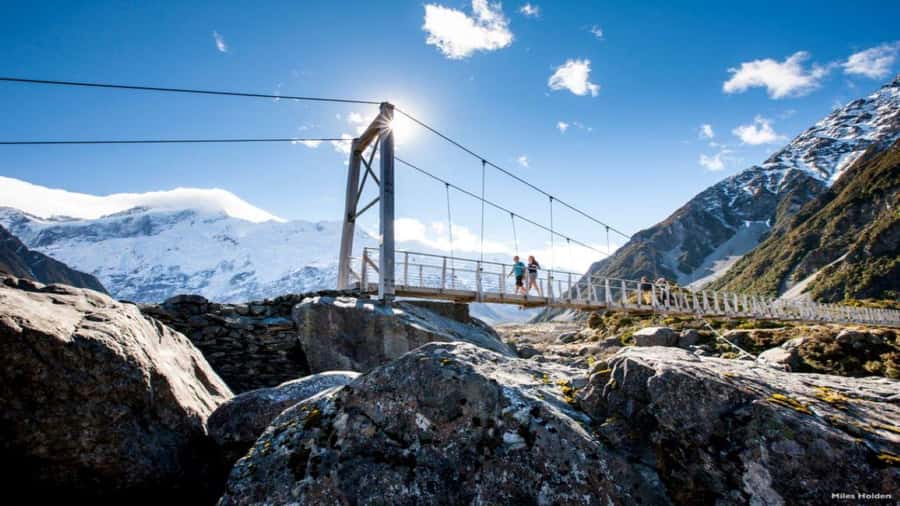
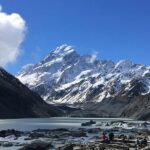
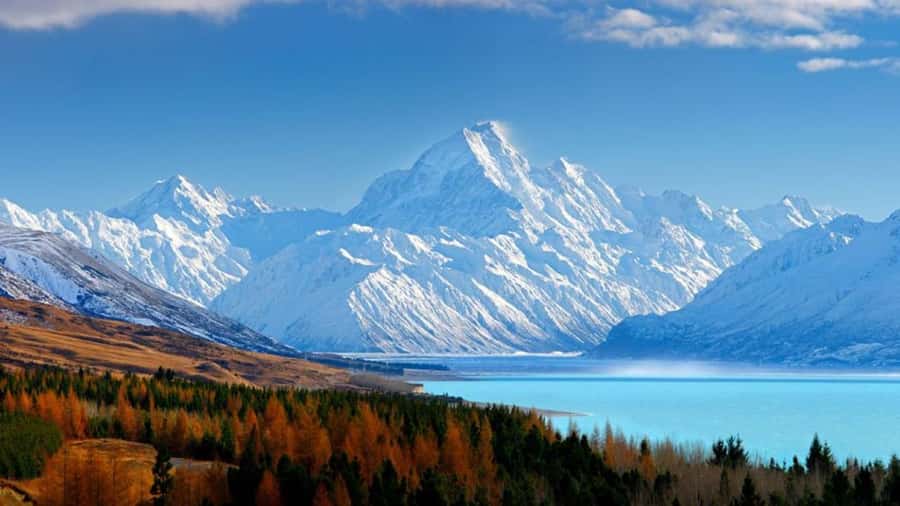
You’ll get about 2.5 hours at Aoraki/Mount Cook National Park, which is the heart of the day. This is where you trade “driving past it” for actually being in the area—enough time to find a viewpoint, take a self-paced stroll, and watch the light shift on the peaks.
This portion is valuable because Mount Cook country is not just scenery. It’s dramatic weather, big sky, and quick-changing visibility. Two hours of looking can feel different from one hour, especially if you’re the type who likes to keep photographing until you get that one moment the sky cooperates.
What I’d plan for:
- Pack your camera up front. You’ll likely want it instantly at stop points.
- Wear hiking shoes with good grip soles because mud and damp ground can happen in New Zealand weather.
- Dress for changing conditions even if the day starts mild. You’ll be warm in the vehicle, but the out-and-about time is on you.
A small but important note: walks aren’t guided. That’s not a dealbreaker—especially if you enjoy choosing your own level of effort—but it does mean you should be comfortable exploring independently with the guide offering context rather than leading each step.
Lindis Pass and Omarama: short stops that set the mood
Not every moment is long, but the quick stops are chosen for impact.
Lindis Pass is a photo stop of about 5 minutes. That time window is exactly why you should be ready when the doors open: stretch, grab your shots, and get back on board. If you’re slow to move or you like to take your time setting up a tripod, you may feel a little rushed here.
Then you’ll head toward Omarama for a break (about 20 minutes). This is the “practical stop” segment: restroom, water refills if needed, and a chance to reset before the bigger Mt Cook stretch. It’s also where your body appreciates the pause after a long stretch on the road.
These stops work well if you want variety. You get a taste of high-country roads and open views without wasting your whole day waiting at one single location.
Tekapo time on Lake Tekapo and Lake Pukaki
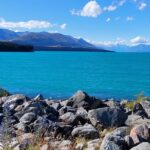
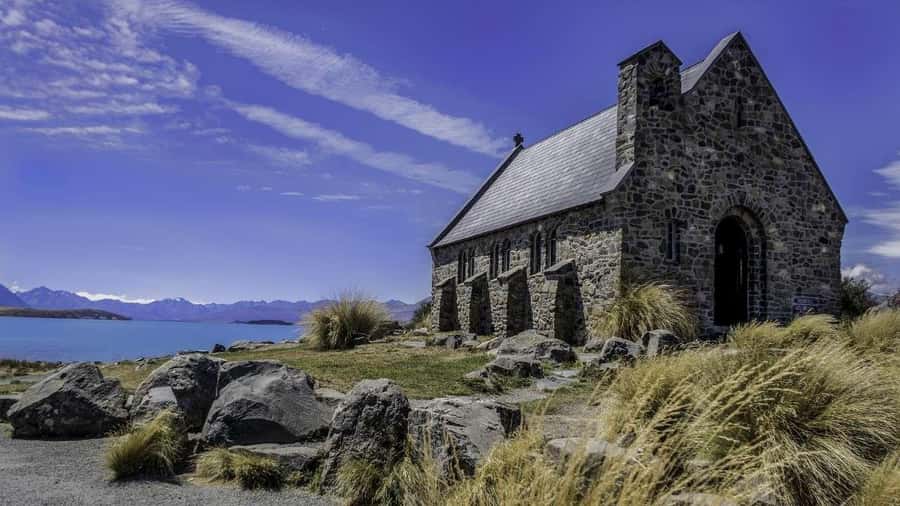
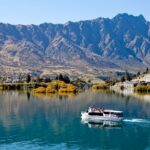
Once you reach the Tekapo side, the tour is built around free time for activities and walks. You’ll see Lake Tekapo and Lake Pukaki during this portion, and the Church of the Good Shepherd is listed as one of the experience highlights—so it’s part of the day’s sightseeing.
The good thing about free time is control. You can do:
- short shoreline walks,
- viewpoint hunting for lake-color and mountain angles,
- relaxed photo breaks,
- or simply sit and watch the scene change as clouds move.
The tradeoff is that you need to be self-directed. Since walks aren’t guided, you’ll want to know what kind of effort you’re comfortable with. If you’re hoping someone will point out every trail option and lead you step-by-step, this format won’t do that. But if you enjoy moving at your own pace, it’s a nice change from tours where you’re herded from spot to spot.
Also, remember the weather factor. In Tekapo country, you can go from warm-feeling to chilly in a short time. That’s why it pays to bring weather-appropriate clothing, even when you think you’re just doing short walks.
Ending at the Dark Sky Project: why the finish matters
The tour concludes at the Dark Sky Project. Even if you’re not obsessed with astronomy, this is a smart ending because it gives the day a clear “why” rather than finishing at a random drop-off.
A location focused on night skies tends to fit perfectly with Tekapo’s reputation for clear views and wide open horizons. If you’re traveling in a season when skies are cooperative, it can also turn the last part of the day into something memorable beyond daytime lake views.
If you’re the type who likes to keep your day structured, this finish helps. If you’re the type who wants everything flexible, you might appreciate that you’re ending in a place with an obvious focus, so you’re not left wondering what to do next.
Group size, guide energy, and comfort on the minivan
This small-group tour caps at 16 travelers, which is a big deal on a long drive. Smaller groups mean fewer delays at pickup points, fewer people competing for a quick photo stop, and more room for the guide to keep the vibe calm.
You’ll ride in an air-conditioned minivan and you’ll have access to water, plus snacks provided. That sounds basic, but on a 9-hour day, it keeps energy steady and reduces the stress of trying to find food mid-journey.
The guide is also part of the value. The tour is marketed as fully guided, with guides known for being passionate and sharing stories and background knowledge. And based on experience with how this kind of operation handles international visitors, it’s worth noting that the guide approach tends to be practical and supportive. If English listening is tough for you, don’t panic—these guides typically aim to keep things clear and understandable.
There’s also a comfort factor built into the flow. Breaks are planned, and the stops aren’t so frequent that you lose time, but they’re enough that long-road fatigue doesn’t completely take over.
Price and value: is $214 a fair deal for this day?
At $214 per person for a 9-hour, one-way tour, the price sits in the “worth it if you want guided planning” zone. Here’s how I judge value for this style of trip.
You’re paying for:
- Full guidance through major sights (not just a bus transfer)
- A smaller group (max 16)
- Comfortable transport in an air-conditioned minivan
- Snacks and water
- Scenic stops that help break up the drive
- Luggage allowance of 1 large and 1 small per person
You’re not paying for:
- Breakfast and lunch
- Souvenirs
- Extra activities
- Guided walks (walks are self-paced)
So the “value” depends on how you travel. If you’re comfortable driving yourself and building your own stops, you might find cheaper options. But if you’d rather outsource the logistics and use your energy for views, photos, and easy exploration, this pricing starts to make sense fast.
Also, you’re not locked into a rigid walking itinerary. Free time at Tekapo plus a solid block at Mt Cook lets you choose your pace, which is a big part of why these tours feel good rather than exhausting.
What to bring, rules to know, and small practical tips
This is a road-and-walk day, so pack like you’re doing short hikes, not city sightseeing.
Bring:
- Camera
- Hiking shoes
- Sunscreen
- Weather-appropriate clothing
And remember, New Zealand weather can change quickly. You might be warm in the minivan, then step out and feel a chill. Layering helps a lot.
Not allowed:
- Drones
- Alcohol and drugs
Other practical notes:
- The tour isn’t suitable for people with mobility impairments.
- If you’re traveling with kids, you’ll want to plan for child safety car seats for children aged 7 and below (a seat can be hired, or you can bring your own).
- The guide and vehicle are set up for safety and comfort, but you should still bring sensible footwear because the ground can be damp.
One last tip: if you know you’ll get cold, bring something warm. Tekapo evenings (and even cloudy daytime) can surprise you.
Should you book this one-way Queenstown to Tekapo tour?
Book it if you want a day that combines two top-tier stops—Mt Cook/Aoraki and Tekapo—with minimal planning on your part. It’s a good choice if you like structured sightseeing but still want freedom during the Tekapo portion.
Skip it (or consider another option) if you’re relying on guided walking, have mobility concerns, or you dislike short photo-stop pacing where you need to move quickly when the bus stops.
Given the small-group size, the mix of guided storytelling plus independent time, and the fact that the tour ends at the Dark Sky Project, I think this is a strong “day solution” for travelers who want the highlights without the hassle of figuring out timing, stops, and logistics themselves.
FAQ
How many people are in the small group?
The tour is a small group with a maximum of 16 travelers.
Is breakfast or lunch included?
No. Breakfast and lunch are not included.
What food and drinks are provided during the tour?
You’ll have snacks provided and water available during the day.
Are the walks guided on this tour?
No. Guided walk is not included, and walks are not guided.
What luggage can I bring?
There is a luggage allowance of 1 large and 1 small per person.
Where does the tour start and where does it end?
Pickup is from listed Queenstown locations, and the tour ends at the Dark Sky Project.
Are drones and alcohol allowed?
No. Drones are not allowed, and alcohol and drugs are not allowed.