REVIEW · QUEENSTOWN
Tunnels to Station On E-Bikes
Book on Viator →Operated by She Bikes He Bikes · Bookable on Viator
Viaducts and tunnels on an e-bike day. This ride tackles the most talked-about slice of the Otago Central Rail Trail using modern Sinch e-bikes and a battery built for real pedaling. You start in Clyde, get shuttled up to Auripo, then bike back toward Clyde with some standout views and a couple of tunnel moments.
I especially liked the setup: Sinch E-bikes with Shimano Steps and a big 600Wh battery make the “rail trail hills” feel more like a relaxed cruise. And I also appreciated that the team brings local context—when I read about the guide named Peter, the common theme was clear: he’s friendly and answers questions without rushing you.
One thing to consider: this is still a bike ride, and they ask for moderate physical fitness. If you’re expecting a totally hands-off experience, you may want to pace yourself and use the e-bike support often—plus lunch and bottled water are not included.
In This Review
- Key highlights at a glance
- Why the Auripo to Clyde rail trail section is the one to do
- Sinch E-bikes with Shimano Steps: how the tech helps you ride more trail
- Getting to the start on an Air-Con vehicle from Clyde
- Auripo onward: viaducts, tunnels, and the “why this works” pacing
- The viaduct moment
- The tunnel moments
- Refreshment planning: Omakau, Ophir, Chatto Creek, Alexandra
- The Ophir side trip: when the detour is the point
- Time on the bike: what 6 hours really means for you
- Price check: $99.29 feels fair if you want convenience and the right bike
- Who should book this e-bike rail trail day
- Should you book Tunnels to Station on E-Bikes?
- FAQ
- What time does the tour start?
- How long is the ride?
- Where do I meet, and where does it end?
- What’s included in the price?
- Are lunch or bottled water included?
- What e-bike system and battery do they provide?
- Is there an option to stop in Ophir?
- How many people are in a group?
Key highlights at a glance
- Auripo to Clyde routing covers the most popular rail trail segment
- Sinch e-bikes with Shimano Steps and a 600Wh battery for longer assistance
- Passing the highest viaduct on the trail plus two tunnels
- Stops you can plan around: Omakau, Ophir, Chatto Creek, and Alexandra
- Optional side trip to historic Ophir township
Why the Auripo to Clyde rail trail section is the one to do
If you’re in Queenstown and only have one day to “do” the Otago Central Rail Trail, the Auripo-to-Clyde direction is a smart choice. It’s the version most people talk about because it packs in major rail trail landmarks without turning your day into a logistics puzzle.
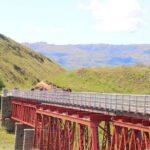
The route is built around the classic rail trail rhythm: you ride long, easy grades, then you get a payoff—one big view, one big structure, then another. Here, that payoff includes the highest viaduct on the trail and two tunnels on your way back toward Clyde. Those moments change the whole feel of the ride. It’s no longer just pretty cycling; it turns into a story you can feel in your legs as you go from open sections to enclosed ones.
And because your start point is shuttled for you, you avoid the common mistake of spending energy commuting to the “right” trailhead. You’re not trying to coordinate a second transport plan while also carrying gear and getting set up for a long ride.
You can also read our reviews of more cycling tours in Queenstown


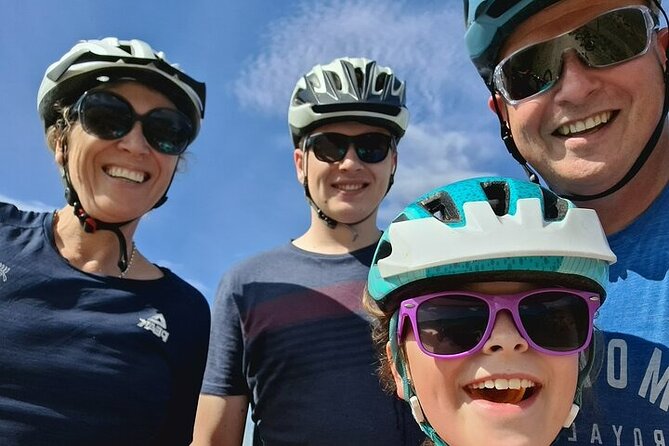
Sinch E-bikes with Shimano Steps: how the tech helps you ride more trail
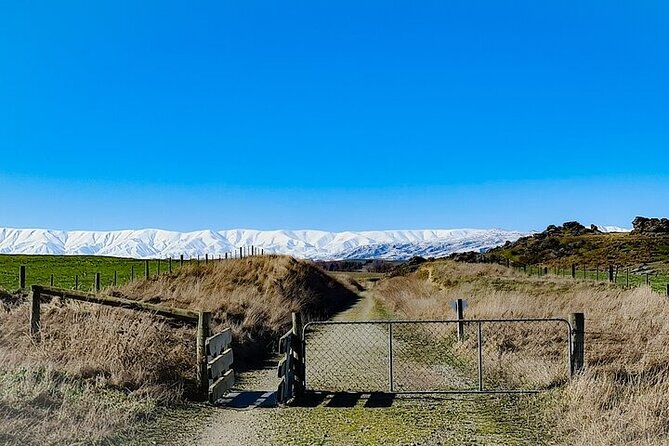
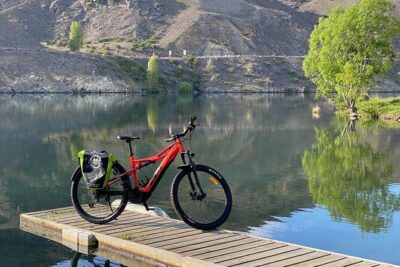
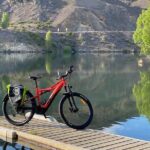
This is where the experience earns its money. You’re not renting a bike and hoping for the best—you get a purpose-built e-bike setup: Sinch E-bike, helmet, and a pannier bag, powered by the Shimano Steps system and an enormous 600Wh battery.
Here’s what that means for you on the ground:
- You can stay in control of your effort. If the grade ticks up or the wind shows up, you can lean on the assist. You still pedal, but you’re not white-knuckling the whole day.
- You’re more likely to enjoy the tunnels and viaducts. On a day packed with big features, the worst ride is the one where you arrive already exhausted. Battery support helps keep you in “see it” mode, not just “survive it” mode.
- Your bike is practical for stops. The pannier bag helps you carry the essentials you actually need for a few refreshment points along the route.
The Shimano Steps system is designed for smooth support, so you’re not constantly feeling like the bike changes personality. In plain terms: it helps you keep a steady rhythm. That’s key when you’re covering a segment that includes both open viewpoints and tunnel riding.
Getting to the start on an Air-Con vehicle from Clyde
You meet at 13 Fraser Street, Clyde, with a 9:00 am start. The day begins with an AC vehicle transfer to the start of the ride at the Auripo section.
This matters more than it sounds. The rail trail is famous, but the distances and “where to park” problems can add friction. With transport handled, you roll into the ride already prepped: you don’t spend your morning figuring out trail access, walking your bike around, or losing time to getting oriented.
Also, the vehicle isn’t just basic shuttle service. You’re in a late model vehicle with Air Con, which is a comfort win on warm days. New Zealand weather can swing, but AC means you arrive with less fatigue and more focus.
The team’s driver is there not just to drive. The vibe is that you can ask questions and get real answers about the area. That matches the praise around Peter’s friendly, high-utility guiding style.
Auripo onward: viaducts, tunnels, and the “why this works” pacing
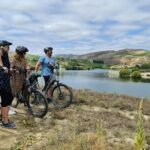
After you’re dropped at the Auripo section, you start biking back toward Clyde. The route includes multiple high-impact features, and the way you experience them is the whole point.
The viaduct moment
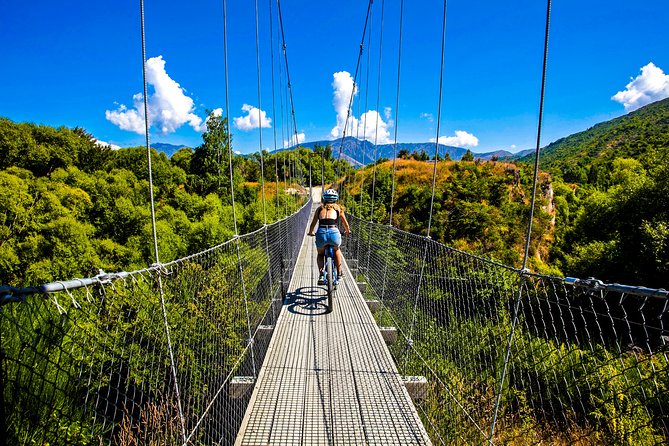
You’ll cross the highest viaduct on the trail. That single detail changes how the day feels. Viaducts force your attention outward—your body goes forward, and your eyes get a job. Even if you’ve seen rail structures before, the sheer scale is usually what people remember.
Practical tip for you: slow down through the approach and keep a calm grip. On e-bikes, it’s easy to carry speed. On a viaduct, that’s when you want to control the pace so you can actually enjoy the views.
You can also read our reviews of more tours and experiences in Queenstown

The tunnel moments
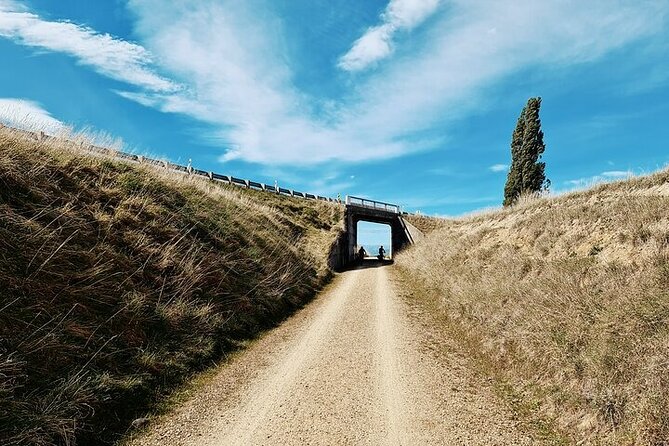
You also pass through two tunnels. Tunnels are where the “rail trail story” becomes physical. It goes quieter. Light changes. Your senses shift from “scenery cruising” to “careful, steady riding.”
There’s no extra rail-trail mystery here—you’re simply riding through. Still, it’s worth mentally preparing for a darker environment and cooler air. Even on sunny days, tunnels tend to feel different under your wheels.
Practical tip: keep your eyes on your path, not your phone screen. If you want photos, stop where it’s safe, then take them. The best tunnel photos usually come from patience, not speed.
Refreshment planning: Omakau, Ophir, Chatto Creek, Alexandra
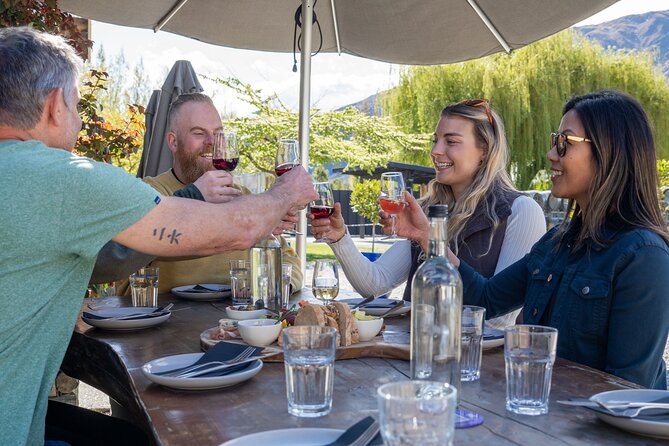
This route is built to keep you from feeling trapped in a long stretch without options. You’ll find refreshment opportunities along the way in Omakau, Ophir, Chatto Creek, and Alexandra.
Because lunch and bottled water are not included, these stops become part of your decision-making. I like routes where you can adjust mid-ride. Some people want coffee, others want a snack, and some want just a short break to reset.
Here’s how to think about it:
- Use a refreshment stop to match your energy. If you’re feeling great, great—take photos, keep rolling. If you’re dragging, stop earlier and recharge.
- Expect that you might not want to eat a big meal during the ride. A snack plus water can be enough, especially on an e-bike day.
The availability of refreshment options is a big deal for comfort and flexibility. It means you can keep the ride feeling like a trip, not like a chore.
The Ophir side trip: when the detour is the point

One option you should seriously consider is the side trip to historic Ophir township. Even without making the day complicated, it adds a human scale. Rail trails can feel like you’re watching landscapes. Ophir gives you a chance to step into a small-town story.
Why that’s valuable: it breaks up the “big structures only” vibe. Viaducts and tunnels are impressive, but towns are where you feel the rail history as lived experience—shops, streets, and the feeling of a place that grew around movement.
If you like history in a practical way—what still exists, what you can walk past—this side trip is usually the best kind. It’s not just a box to check. It’s a chance to slow down and look around.
Time on the bike: what 6 hours really means for you
The tour runs for about 6 hours. That includes the ride and the overall flow of getting you up to the trail start and bringing you back.
So what should you expect in terms of effort? The requirement is moderate physical fitness. That doesn’t mean you need to be a cyclist, but it does mean you should be comfortable staying on a bike for a few hours, including stops and starts.
Here’s how I’d plan your mindset:
- Think of it as a ride with featured moments, not a training session.
- Use assist when you need it. E-bikes aren’t cheating; they’re support for making the experience enjoyable.
- Give yourself permission to pause. With tunnels, viaducts, and town stops, frequent short resets are part of the day.
Also, group size is capped at a maximum of 19 travelers. That’s small enough that you’re not swallowed by a huge crowd, but big enough that you’ll feel the energy of a group outing.
Price check: $99.29 feels fair if you want convenience and the right bike

The price is $99.29 per person. That’s not pocket change, so it’s fair to ask if it’s worth it.
For me, the value comes from two big pieces:
- You get the e-bike, helmet, and pannier bag with a serious battery and support system.
- You get AC transport to and from the trail start, so you’re not piecing together extra logistics.
If you tried to rent an e-bike on your own and then figure out transportation to the trailhead, the costs and hassle usually climb fast. Here, the day is packaged so you spend your time riding—not problem-solving.
One more value point: because it’s a planned segment of the rail trail, you’re cycling a highlight stretch rather than guessing where to start and stop. That’s a big deal if you’re on a tight schedule in Queenstown.
One caution: lunch and bottled water aren’t included, so budget for that on your own. The best value comes when you treat the refreshment stops as part of your plan instead of an afterthought.
Who should book this e-bike rail trail day
This is a great fit if you:
- Want the Otago Central Rail Trail highlights without turning the day into a multi-transport mission
- Like cycling, but don’t want to burn the whole morning on “getting there”
- Prefer comfort and control, especially on a route with tunnels and major viaduct views
- Appreciate guides who know the local story and can answer questions (Peter is repeatedly mentioned for friendly, helpful guiding)
You might not love it as much if you:
- Want a fully guided experience where every minute is tightly scheduled (this is more about the ride with support and guidance)
- Expect meals included
- Have physical constraints that make longer time on a bike uncomfortable, even with e-bike assist
Should you book Tunnels to Station on E-Bikes?
I’d book it if you want a one-day hit of the Otago Central Rail Trail that balances big structures with real practicality. The e-bike tech and the AC transfer do the heavy lifting, and the route choices—highest viaduct, two tunnels, plus refreshment options and the Ophir side trip—make the time feel earned, not dragged.
Before you book, do two quick checks:
- Bring a plan for food and water since lunch and bottled water are not included.
- Be honest about your comfort with bike time. Moderate fitness is the target, and the tunnel/viaduct moments are more fun when you arrive calm, not clobbered.
If that sounds like your kind of day, this is a smart way to ride Queenstown’s rail trail “greatest hits” without the usual stress.
FAQ
What time does the tour start?
The tour starts at 9:00 am.
How long is the ride?
The duration is about 6 hours.
Where do I meet, and where does it end?
You meet at 13 Fraser Street, Clyde 9330, New Zealand. The tour ends back at the meeting point.
What’s included in the price?
You get a Sinch E-bike, helmet, and pannier bag, plus Air-conditioned vehicle transport and a driver who can answer questions.
Are lunch or bottled water included?
No. Lunch and bottled water are not included, so you’ll want to plan for food and drinks on the route.
What e-bike system and battery do they provide?
The bikes use the Shimano Steps system and come with a 600Wh battery.
Is there an option to stop in Ophir?
Yes. There’s a side trip option to view the historic township of Ophir.
How many people are in a group?
The tour has a maximum group size of 19 travelers.